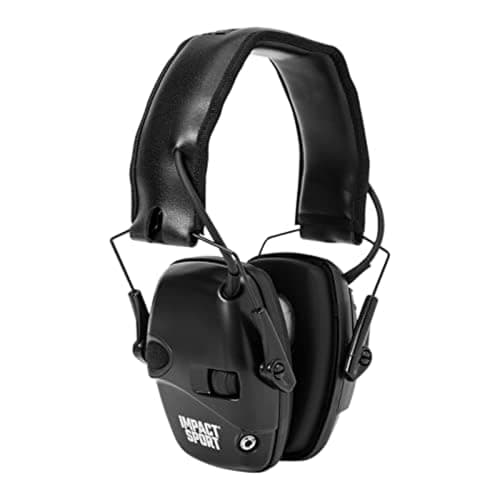
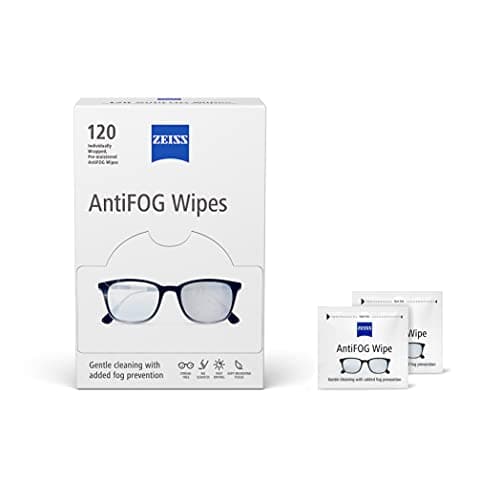
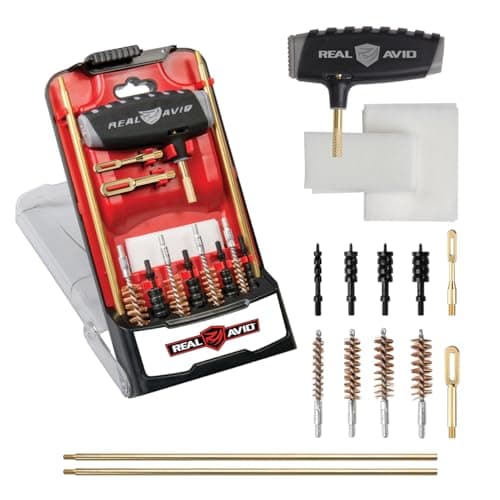
Safety first. This is general information, not a substitute for hands-on instruction. Follow your range's rules and your firearm's manual, and consider a certified safety course. See our gun safety rules.
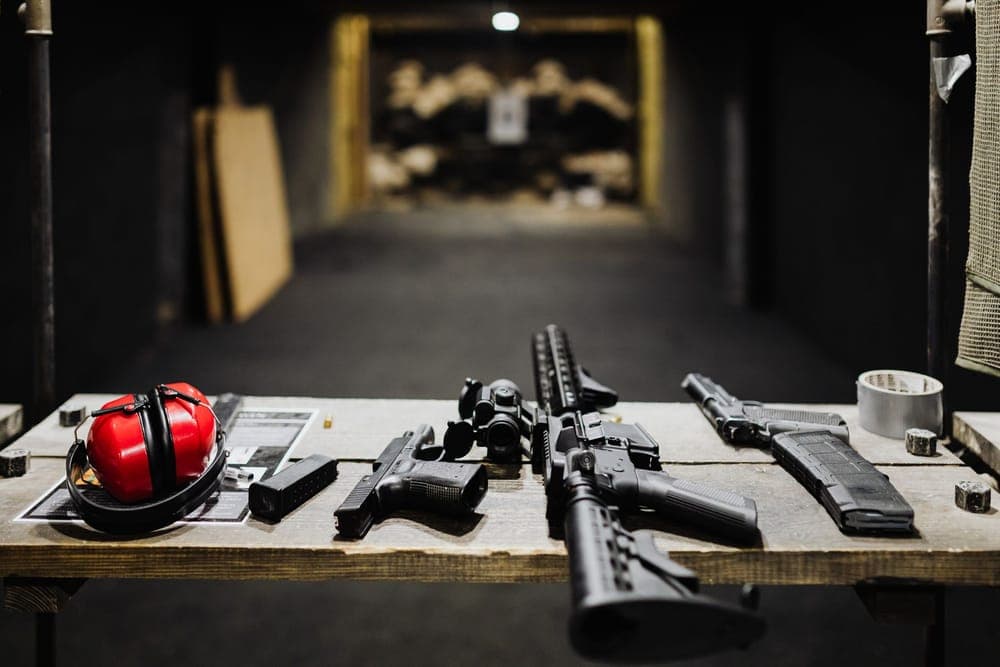
A snap cap is an inert cartridge-shaped object with a cushioned primer area instead of a primer. You load it like a round, it chambers like a round, and when the firing pin falls it absorbs the strike. That is the whole mechanism, and it is why snap caps are the cheapest useful training tool a new shooter can own.
If you are still working out which product you need, read snap caps vs dummy rounds first: the two names get used interchangeably in shops and they are not quite the same thing. This page assumes you already have a set and want to know how to use them without building a bad habit.
What a snap cap actually does
Two jobs, and it is worth being precise because the marketing around this category is vague.
The first is cushioning the firing pin. A-Zoom describes its "Dead Cap" on its own product page as "proven to withstand over three thousand dry fires while protecting your firearm's firing pin". That is the maker's claim and it is a claim about the snap cap's own lifespan as much as about the gun.
The second is filling the magazine and chamber with something that behaves like ammunition but cannot fire, so you can practice loading, reloads, and clearing malfunctions. ST Action Pro states its trainers contain "no primers, propellants or explosive materials" and sells them for "classroom work, malfunction drills, practicing safe gun handling skills" on its product page.
One more thing they do not do: tell you whether your firearm needs them. Some manufacturers permit dry firing their guns without snap caps and some do not, and the answer is in your own manual rather than in any general article. Ruger's LCP MAX manual is an example of a maker publishing explicit handling guidance of this kind. Check yours before you decide how much dry fire your gun will see.
Before you start: clear the room
Nearly every dry-fire accident is the same accident: a live round that was in the room. The setup below exists to make that physically harder, and it is worth doing the same way every time so it becomes automatic rather than something you decide about.
- Unload the firearm and verify it. Magazine out first, then the chamber. Look, and then look again with a light. Our gun safety rules page covers the order and why it is that order.
- Take the live ammunition out of the room. Not into a drawer, not into a box on the same bench. Another room. This is the single step that does the most work.
- Pick a backstop that would stop a round. An interior wall is not a backstop. Choose a direction that would be safe if the unthinkable happened, and keep the muzzle there for the whole session.
- Now get the snap caps out. Deliberately last, so they are never on the bench next to live ammunition.
The routine, in order
With the room set up, the session itself is short and repetitive by design.
- Load the snap caps into the magazine. They are sized to feed like cartridges, so load them the way you would load ammunition.
- Seat the magazine and cycle the action. One snap cap chambers. This is also your first check that the caps feed correctly in your gun.
- Confirm your backstop, then press. Sights on target, deliberate trigger press, follow through. The point of dry fire is watching what the sights do while the trigger breaks, which is the one thing live fire hides behind recoil.
- Cycle and repeat. On most semi-autos you will need to rack the slide between presses to reset the trigger.
- Stop before you get sloppy. Short sessions beat long ones. Quality degrades quickly and dry fire rehearses whatever you practice, including the bad version.
- Unload the snap caps and put them away separately. Then say out loud that the session is over. It sounds silly and it is the habit that stops the "one more press" that happens after you have reloaded for carry or storage.
What to practice with them
Trigger press is the obvious one and the most valuable. Beyond that, snap caps let you rehearse things that are awkward or impossible to practice on a live range:
- Reloads. Magazine out, magazine in, slide forward, back on target. The range is a bad place to learn this because you are also managing live ammunition and a timer-free queue behind you.
- Malfunction drills. This is the use ST Action Pro names on its own page. Have someone load a magazine with snap caps mixed among themselves in an order you do not know, so the gun stops unexpectedly and you practice the response. Never mix in live ammunition to do this.
- Presentation and grip. Drawing from a holster is an advanced skill and one to learn with an instructor first, but the slow repetitions afterwards happen at home with an inert gun.
- Checking that your magazines feed. If a magazine chokes on snap caps it may well choke on ammunition. That is a cheap thing to discover at home.
When to replace them
Snap caps wear out, and the wear is visible. The cushioned primer area takes a dent every time the firing pin falls on it, and once that face is deeply pitted or the cap is cracked, split or deformed, it has stopped doing its job and should be replaced.
A-Zoom publishes a figure for its own caps: over three thousand dry fires. Treat that as the maker's claim about its own product rather than a universal service life, and inspect rather than count, because few people track presses accurately. We will not print a number for how long any other brand lasts, because no maker we checked publishes one.
If you are buying a set to last, note what each pack contains: A-Zoom sells its 9mm pistol caps in packages of five, and ST Action Pro lists 1, 50 and 100 per pack with a minimum order of five.
The mistakes that matter
Four, in descending order of consequence.
- Live ammunition in the room. Everything else on this list is a nuisance; this one is the accident. The ammunition goes somewhere else before the snap caps come out.
- Mixing snap caps and live rounds deliberately. People do this to simulate a malfunction. It is the wrong way to get that outcome: use snap caps alone, in an order you do not know.
- Storing them loose with ammunition. Bright colors help, and A-Zoom and ST Action Pro both make theirs visually distinct, but the fix is separate storage rather than relying on a glance. ST Action Pro notes its inserts glow under UV light, which is a useful property and still not a substitute for keeping them apart.
- Using the wrong caliber. A snap cap has to match the chambering. A-Zoom also notes on its own page that its 9mm caps "are NOT recommended for use in revolvers with half moon clips", which is the kind of exception worth reading before you buy rather than after.
Our picks for this
The two we would start with
One set of snap caps for dry fire and one set of dummy rounds for drills and classroom work. Both are 9mm; check your own chambering before ordering.
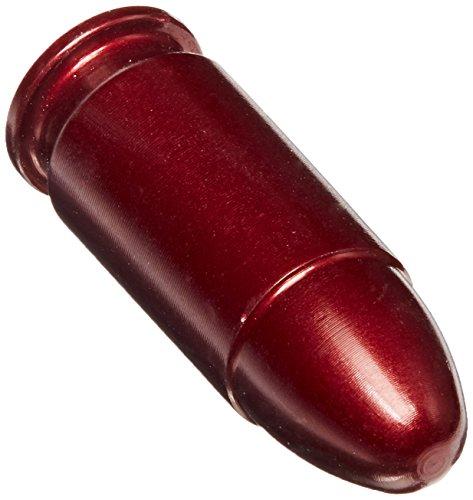
Best snap caps for dry fire
A-Zoom Precision Pistol Snap Caps 9mm
9.6/10ResearchedFor dry fire: A-Zoom says each Dead Cap is proven to withstand over three thousand dry fires. Packages of five, and not recommended for revolvers with half moon clips.
$23.14 Precision Pistol Snap Caps 9mm#ad · Price as of November 18, 2026 · How we make money for the link to A-Zoom Precision Pistol Snap Caps 9mm
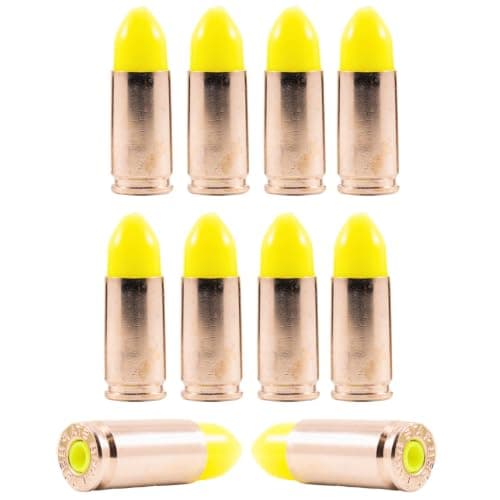
Best dummy rounds for drills and classes
ST Action Pro 9mm Action Trainer Dummy Round
9.6/10ResearchedFor drills and classes: no primers, propellants or explosive materials, a nickel-plated brass case and an orange or yellow insert that glows under UV light.
$12.10 9mm Action Trainer Dummy Round#ad · Price as of November 18, 2026 · How we make money for the link to ST Action Pro 9mm Action Trainer Dummy Round
Brands: want your product tested? For Brands.
How we scored this
Every pick, scored on numbers you can check
Every pick here is labeled Researched: we compiled each maker's published specs (the EPA-labeled NRR on hearing protection, the Z87+ mark on glasses), read the manuals, checked the standards behind them, and scored everything on a public rubric. Every figure links to where it came from, and marketing claims are labeled “maker's claim,” so you can see exactly why a pick ranks where it does.
Scores are editorial judgments built from that documented research, published on our 8.4–9.8 scale: anything that fails a gate, or that we wouldn't hand a new shooter, never reaches a page, so the number tells you how much better one good option is than the next. Commissions never set a score or decide a pick. The rubric and its weights are published.
Questions
Common questions
Do you need snap caps to dry fire?
How many times can you use a snap cap?
Can you mix snap caps with live ammunition for malfunction drills?
Where should you point the gun when dry firing?
Where this comes from
Sources
- Lyman Products, A-Zoom Precision Pistol Snap Caps product page
- Lyman Products, A-Zoom brand page
- ST Action Pro, 9 MM Action Trainer Dummy Round product page
- NSSF, Firearm Safety: 10 Rules of Safe Gun Handling
- NRA, NRA Gun Safety Rules
- Ruger, Instruction Manual for RUGER LCP MAX (PM731)
Specs come from each maker's own pages and data sheets (linked on every product); ratings like NRR and Z87+ are explained from the standards and agencies behind them. Prices are set by Amazon and change often, so the buy button always takes you to the current one. Where a figure isn't published, we say so. Read the full method.