Safety first. This is general information, not a substitute for hands-on instruction. Follow your range's rules and your firearm's manual, and consider a certified safety course. See our gun safety rules.
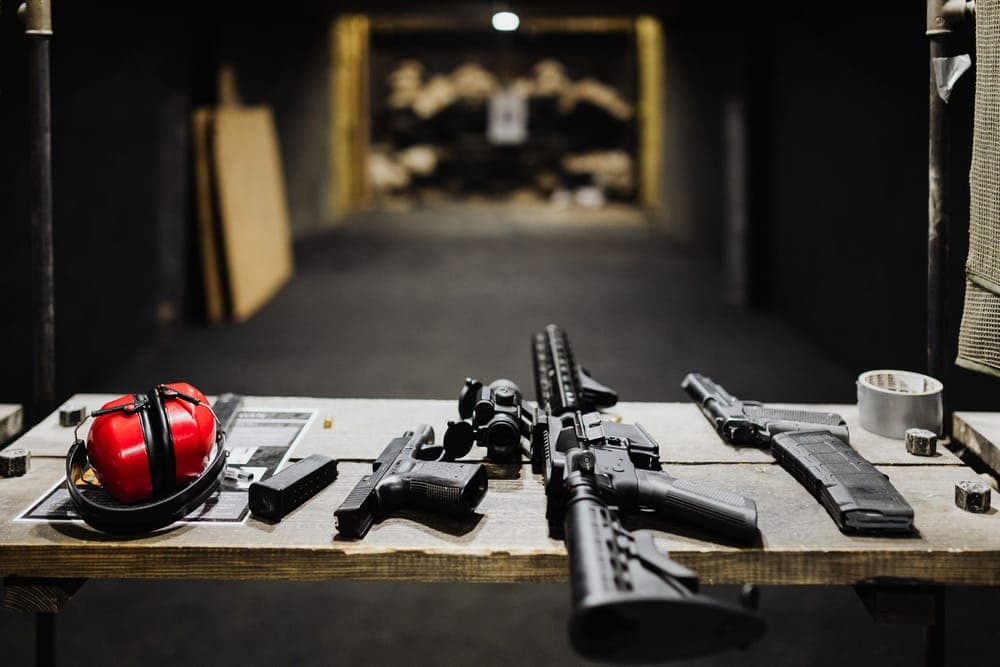
Your first visit to a shooting range at a glance
Going to a shooting range for the first time is less mysterious than it looks from the parking lot. Most visits follow the same shape, even though every range writes its own rules. Here's the order things usually happen in:
- Call ahead and ask about first-visit requirements, rentals, eye and ear protection, and rules.
- Check in: show ID, sign a waiver, and tell the staff it's your first time.
- Get the range's safety brief, including the commands it uses.
- Go to your lane and set up when the range says it's safe.
- Shoot only when the range is hot, with the muzzle pointed downrange.
- Stop instantly at "cease fire" and follow that range's procedure.
- Pack up safely: unload, case, and deal with brass and trash the way the range asks.
- Wash your hands and face before you eat, drink or touch your face.
The rules quoted below come from real ranges and state wildlife agencies. They're examples, not a universal rulebook, and where two ranges disagree we show you both, so you know what to ask about. Nothing here replaces the rules of the range you're standing in, the manual for the firearm you're holding, or a hands-on class.
Before you go: call the range
NSSF's Let's Go Shooting site gives the best single piece of first-visit advice: "On your first visit to any range, ask the range manager, safety officer or counter staff to go over the range rules and fees. If you're new to shooting, let them know so they can guide you through the appropriate safety orientation" (Let's Go Shooting). Make that call before you drive over. The questions worth asking:
- Do first-time visitors need a class, an orientation or proof of training? Some public ranges do. Connecticut's Glastonbury range requires shooters to "show proof of firearms training, such as a Conservation/Education Firearms Safety certificate or equivalent, valid firearms hunting license, valid pistol permit, police credentials, or military identification" ( Connecticut DEEP).
- Can I sign the waiver online first? Shoot Indoors, a range near Philadelphia, suggests you "bring a signed waiver or complete the waiver online prior to visiting a new range for the first time" (Shoot Indoors).
- Do you rent firearms, and what do I need to rent one?
- Do you provide, rent or sell eye and ear protection? Some ranges do; some don't (more on that below).
- Which targets are allowed, and do you sell them?
- Is there a dress code?
- If I bring a child, what's your age and supervision policy? These vary widely; our guide to taking kids to the shooting range quotes several.
That call also answers the question a lot of first-timers type into a search bar: can you just go to a shooting range? It depends on the range. Some describe a check-in of ID and a signed waiver; others require a class, a membership or proof of training first, like the Glastonbury example above.
What to bring and what to wear
Our what to bring to the shooting range checklist has the full list, grouped into must-bring, nice-to-have and leave-at-home. The short version for a first visit: your own eye and ear protection, a government-issued ID, your firearm unloaded and cased if you're bringing one, ammunition the range and your firearm's manual allow, and targets if the range doesn't sell them.
Dress for hot brass, the empty cases that fly out of many firearms when they fire. The Range 702 in Las Vegas advises that "a crew-neck or collared shirt can reduce the odds of hot brass falling into your shirt" and to "wear closed-toe shoes that provide solid traction" (The Range 702). Triangle Shooting Academy in North Carolina puts it as rules: "No open-toed shoes or high heels are permitted on the range" and "No tank tops, low-cut, see-through or cropped shirts are permitted on the range" (Triangle Shooting Academy). A cap helps too. NRA Women's attire guide notes that "a hat will protect your head and face from ejected cartridges" ( NRA Women). Our guide to what to wear to a shooting range covers the rest.
Check-in: ID, waiver and the safety brief
At the counter, expect three things:
- ID. The Range 702: "You'll be required to present a government-issued ID, such as a driver's license or passport."
- A waiver or shooter agreement. At Glastonbury, "All shooters desiring to use the range must sign the registration book and shooter agreement with the range officer."
- The range's rules. How they're delivered varies, but you should leave the counter knowing that range's commands, its cease-fire procedure and its rules on targets and brass. If anything is unclear, ask until it isn't. A question at the counter always beats a guess on the line.
If you brought your own firearm, keep it cased and unloaded until someone tells you where and when to uncase it. The Range 702 says "It's also a good idea to bring your firearm into the range unloaded and in a case. The range officer will likely want to inspect your weapon before allowing you to take it on their range." Shoot Indoors makes it a requirement: "It is required that you bring any outside firearms into the range cased and unloaded."
Not every range does it the same way, which is exactly why the brief matters. Louisiana's wildlife-agency ranges say "Firearms must be uncased, unloaded, magazines removed, and actions open when entering the range" ( Louisiana LDWF). Two different procedures, each safe under its own rules. Learn the one where you are, and follow it exactly.
Renting a gun or bringing your own
Some ranges rent firearms and some don't. Glastonbury says plainly: "Ammunition, firearms, eye and ear protection, and targets are not provided." Where rentals exist, there can be conditions. The Range 702 notes that "a friend is also a measure that many ranges require for firearm rentals, at least until the staff gets to know you." Ask about both on your call.
We don't recommend specific firearms or ammunition on this site. If you're choosing what to rent, ask the range staff or an instructor, and use only ammunition that matches the firearm. NRA's rules put it simply: "Use only the correct ammunition for your gun" (NRA Gun Safety Rules). If you'd like someone to walk you through it, NSSF notes that "Classes and clinics such as NSSF's First Shots abound for first-time firearms owners."
Getting to your lane
Once you're checked in, staff will assign a lane or tell you where to set up. Two rules show up at nearly every range we looked at, in slightly different words:
- No handling firearms while anyone is downrange. Mississippi's public ranges: "FIREARMS SHALL NOT BE HANDLED WHILE ANYONE IS DOWN RANGE! This includes while setting up or packing up your gear!" ( Mississippi MDWFP). That includes taking a gun out of its case.
- Muzzle pointed in a safe direction, always. NRA calls it "the primary rule of gun safety," and at a range, the safe direction is downrange.
Ask how targets get hung. Some ranges move targets on carriers, and some have you walk downrange during a cold range to staple them to a stand or backer. Glastonbury schedules it: "Halfway through each session will be a planned cease fire for target change." Our best shooting targets page covers what to buy if your range doesn't sell them.
Hot range, cold range and cease fire
Ranges run on a few commands, and you should know them before your first shot. The Florida Fish and Wildlife Conservation Commission's range rules define the two states clearly (Florida FWC):
"HOT Range: Shooters must check with others to ensure there is no one down range; when the range is declared "HOT" shooters are permitted to commence firing. Only shooters are permitted on the firing line. Shooters may move safe guns to and from the firing line only when the range is "HOT.""
"COLD Range: Shooters must check with others to ensure firearms are unloaded, actions open and firearms laid down on the shooting bench before going down range. No one is permitted to handle firearms or stand at the firing line while there is a cold range."
In plain English: a hot range means shooting is allowed and nobody is in front of the line. A cold range means nobody touches a firearm, because people may be downrange changing targets. Never step in front of the firing line unless the range has been declared cold.
Cease fire is the command to burn into memory. Florida's rule: "Immediately stop shooting when anyone calls 'Cease firing.'" Mississippi's is louder: "The command 'CEASE FIRE' will be observed IMMEDIATELY, no matter who says it! Anyone may call a cease fire." Why do they happen? Shoot Indoors lists a few reasons: "There could be a medical issue or a need to walk downrange to check equipment."
What you do after you stop is where ranges differ most:
- Shoot Indoors: "Remain behind the line and do not touch any firearm during a cease-fire."
- Connecticut's Glastonbury range: "Shooters may not handle their firearms in any manner during the 'Cease Fire' command."
- Georgia DNR ranges: "Any person on the range shall immediately obey a Cease Fire command by grounding all firearms with actions open" (Georgia DNR).
- Mississippi's ranges: shooters "shall IMMEDIATELY holster (or clear and ground) their firearm and step back from the firing line".
Some ranges want you to set the gun down with the action open; others want you not to touch it at all. Neither is wrong where it's the rule. Learn which one your range uses during check-in, and when in doubt, stop, keep the muzzle downrange, take your finger off the trigger and wait for the range officer. When it's safe to continue, Shoot Indoors says, "the RSO will call the command to commence firing" (RSO is short for Range Safety Officer, the staff member running the line). Our shooting range etiquette guide covers the rest of the commands and the unwritten rules around them.
While you shoot
- Finger off the trigger until you're ready to fire. Mississippi: "Keep your finger off of the trigger, outside of the trigger guard, until ready to fire, after the range has been declared 'hot.'"
- Muzzle downrange, even when you turn to talk. If you need to turn around, set the firearm down first, the way your range's brief describes.
- Mind the pace rules. Some ranges limit how fast you shoot. Georgia DNR ranges: "Double tapping or rapid fire is prohibited. Shooters shall allow at least one second between shots." Louisiana's say "No rapid fire (more than 1 round/second)." Other ranges allow more, so ask.
- If the gun doesn't fire, keep it pointed downrange and get help. NSSF's Rule 6 is blunt: "If Your Gun Fails to Fire When the Trigger is Pulled, Handle with Care!" ( NSSF). Get the range officer's attention and follow their instructions.
- No food or drink on the line. Florida's rule: "Food, beverages and smoking are not allowed on the firing line."
- Nothing that dulls your judgment. NRA: "Never use alcohol, over-the-counter drugs or prescription drugs before or while shooting."
Brass: hot, yours, and the bucket
"Brass" is the empty cartridge case left after a shot. Ranges handle it differently, and first-timers often don't know there's a rule at all:
- Some ranges collect it. Florida asks shooters to "place your trash into the trash receptacles and your spent brass into the recycling receptacles."
- Some let you keep your own, and only your own. Mississippi: "Shooters may collect their own brass, but may not collect someone else's brass – especially while the other person is shooting!"
- Never go forward of the line for brass on a hot range. If it rolled downrange, it waits for the next cold range, or it stays where it is.
Brass also carries lead residue. North Carolina's public-health fact sheet on lead at indoor ranges lists it among the ways lead reaches your hands: "Handling spent cartridges and cleaning firearms can do the same" ( NC DHHS, via CDC Stacks). Keep your hands away from your face until you've washed.
Do shooting ranges provide ear and eye protection?
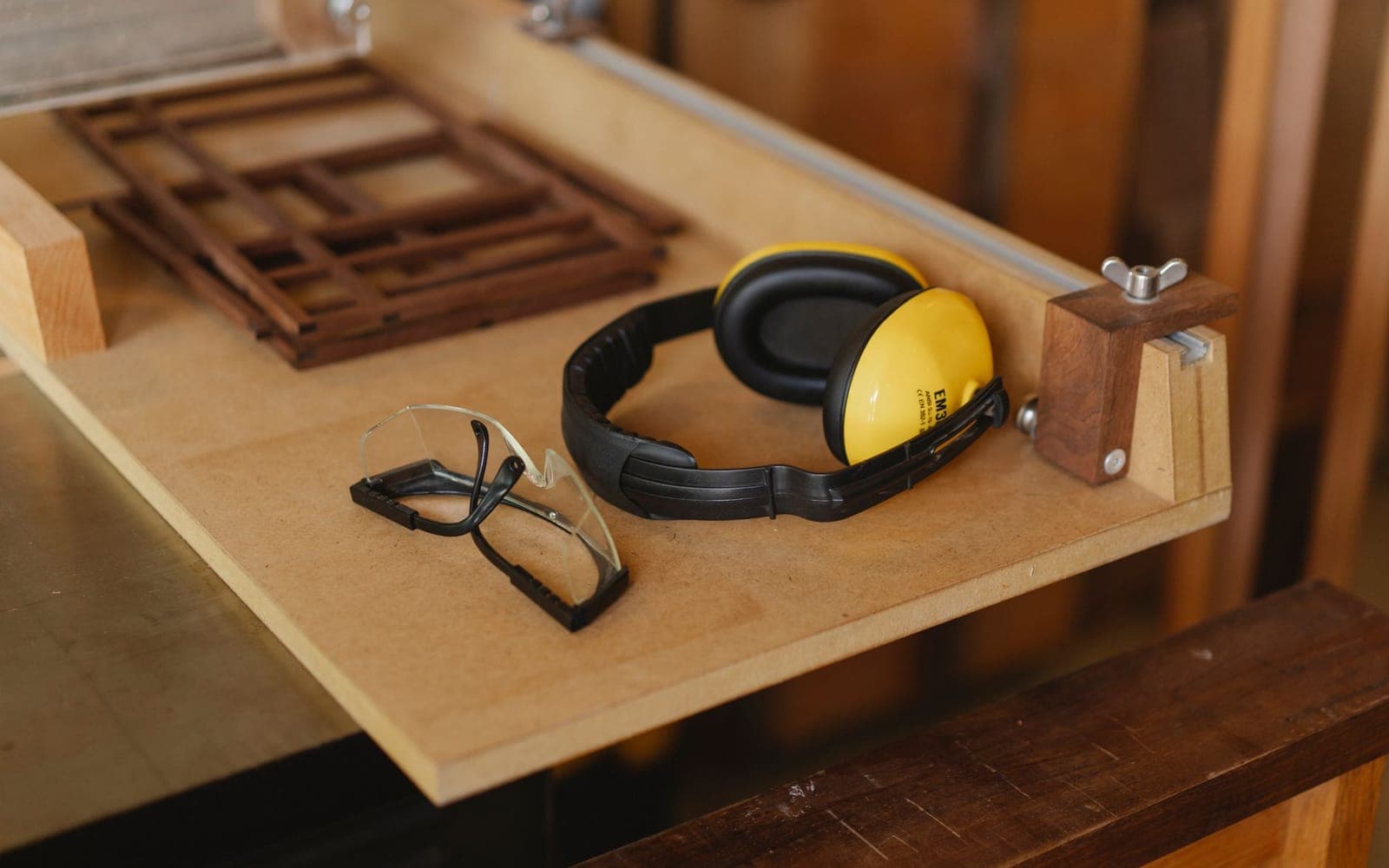
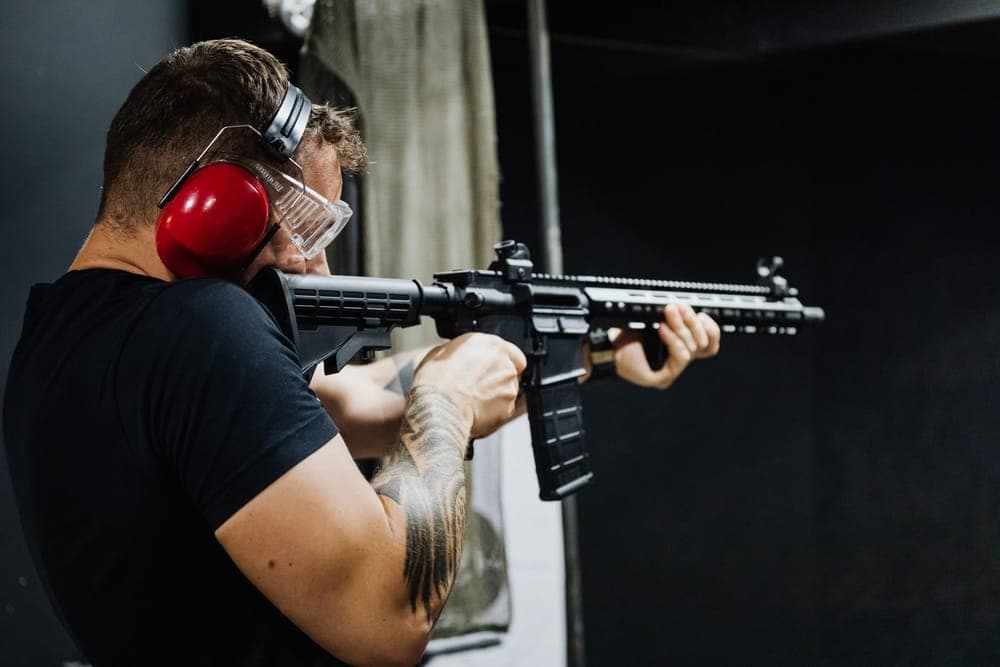
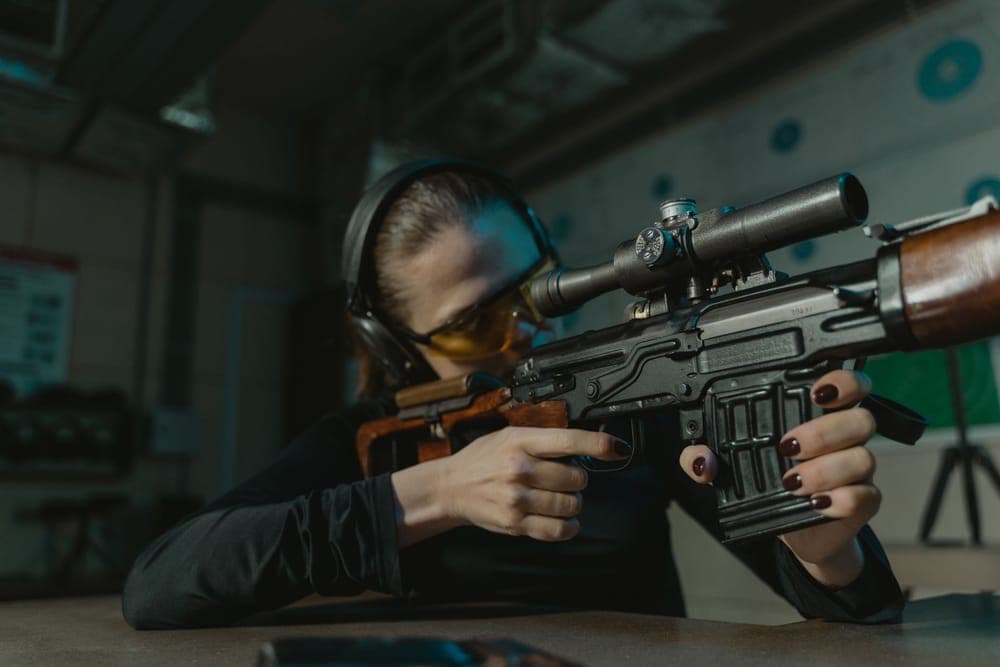
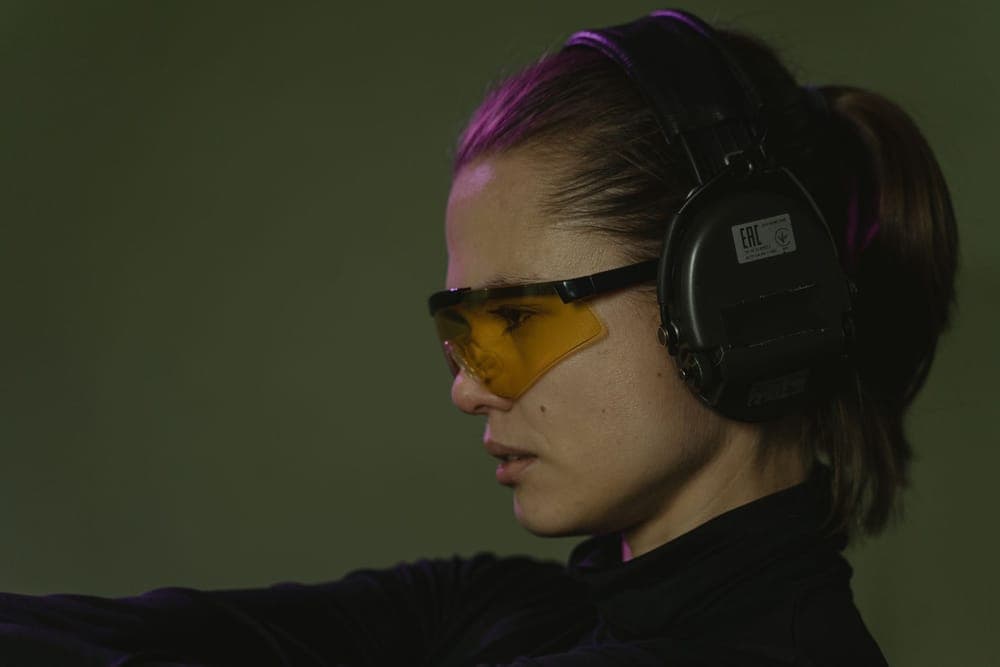
Some do and some don't, so plan on bringing your own. The Range 702 says "Eye and ear protection are mandatory on the range. If you have your own gear, you can bring it. If not, most ranges provide protective gear that you can rent or purchase. Some ranges also offer complimentary foam earplugs." Glastonbury, as quoted above, provides none. And some ranges set their own standard: Triangle Shooting Academy says "Ear muffs are required to be worn while inside the range. Ear plugs are not considered to be sufficient ear protection."
Whatever the range's policy, the safety organizations agree on wearing it. NSSF's Rule 7 reads "Always Wear Eye and Ear Protection When Shooting," and Texas Parks and Wildlife's hunter-education rules say "While shooting at the range, you must wear hearing and eye protection at all times" (Texas Parks and Wildlife). NRA adds that "shooting glasses and hearing protection should be worn by shooters and spectators," so a friend who comes along to watch needs a set too.
Your own gear has two advantages over a loaner: it fits you, and you know its rating. NSSF's advice to new shooters is to "Find the eye and ear protection that feels good and your time spent shooting will be that much more enjoyable."
What to look for in your own ear and eye protection
- Ear protection with a published NRR (Noise Reduction Rating, the number on the package). Electronic muffs are especially handy on a first visit: ASHA explains that they "allow for sounds to pass through that are soft or average in volume but detect when there is a loud noise," so you can hear the brief and the commands without lifting a cup (ASHA). At an indoor range, ASHA advises you to "wear double hearing protection": foam plugs under your muffs. Our best hearing protection for shooting ranks the options.
- Glasses marked Z87+. The "+" means the eyewear "meets a higher impact standard and goes through a much tougher set of tests than Z87," in the words of safety-eyewear maker HexArmor, and the mark is usually on the arm or the lens (HexArmor). Clear lenses suit an indoor range. See our best shooting glasses, and if you wear prescription glasses, read can you wear glasses at a shooting range.
- Two halves that work together. Glasses arms can break a muff's seal. NIOSH researchers warn that "Special care must be taken to ensure the earmuff remains sealed against the side of the wearer's head when safety glasses are worn" ( NIOSH authors, 2007). Try them together at home, or buy an ear and eye protection combo.
- A bag to carry it in, so your gear, ID and targets travel together. Our best range bags page has sizes for one pistol or three.
Our picks for this
Gear for a first range visit
Three picks that cover a first trip: electronic muffs so you can hear the brief, Z87+ glasses, and a bag to carry them. Every spec comes from the maker's page.
- Stock photo
Best first electronic muff
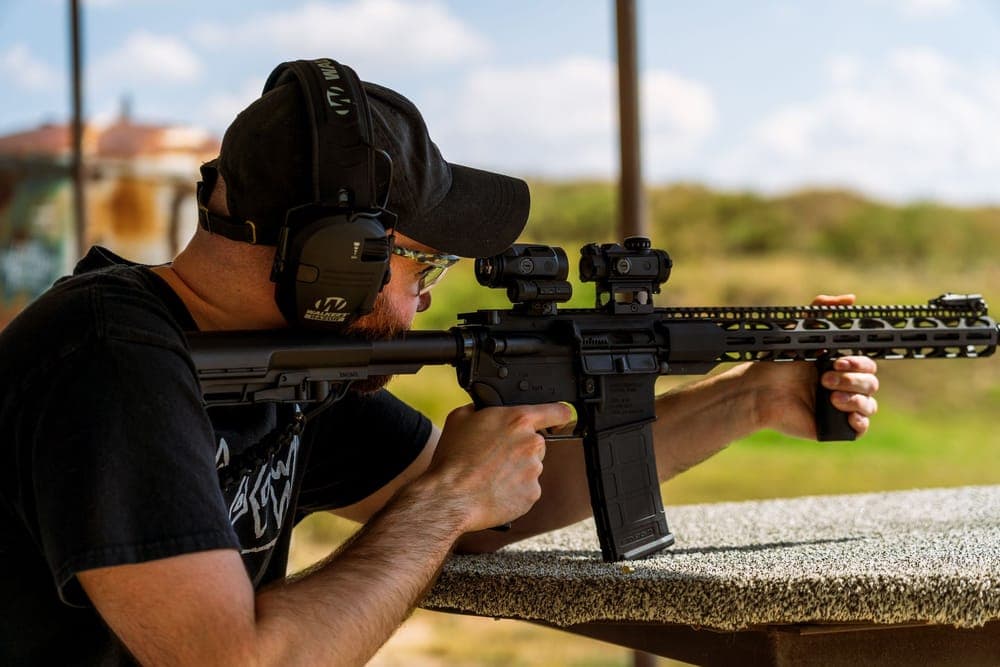
Howard Leight Impact Sport
NRR 227.2/10ResearchedHear the safety brief and range commands without lifting a cup: NRR 22 and a 4-hour auto shut-off. Wear foam plugs under it at an indoor range.
Check price · Amazon#ad · Price set by Amazon · How we make money for the link to Howard Leight Impact Sport
- Stock photo

Best first pair of shooting glasses
Pyramex Intruder
Z87+6.9/10ResearchedPyramex states ANSI/ISEA Z87.1-2020 + High Impact. Pick clear lenses for an indoor range and gray for bright sun.
Check price · Amazon#ad · Price set by Amazon · How we make money for the link to Pyramex Intruder
- Stock photo
Best for carrying up to three pistols
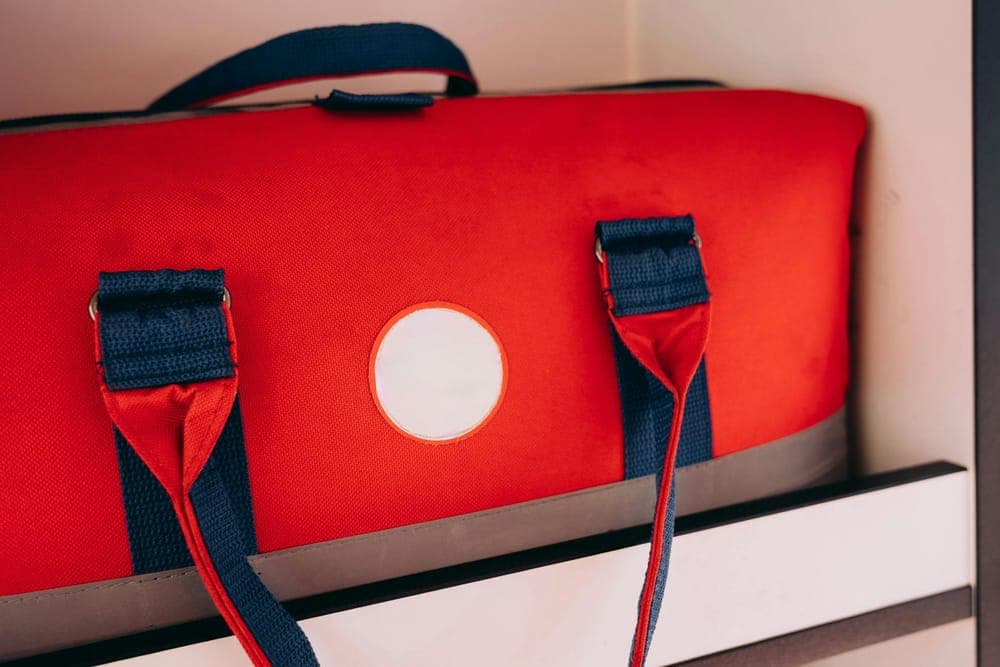
Savior Equipment Specialist Range Bag
7.0/10ResearchedThree cushioned pistol sleeves, an adjustable divider and lockable zippers, with internal dimensions (13 x 8.5 x 9 in) published so you can check what fits.
Check price · Amazon#ad · Price set by Amazon · How we make money for the link to Savior Equipment Specialist Range Bag
Specs above are from the makers: Howard Leight's Impact Sport page and Pyramex's Intruder page. Building the whole kit at once? Our best shooting range gear for beginners puts every piece in the order to buy it.
Packing up and cleaning up
Packing up is where tired first-timers get casual, so slow down. The same rules apply: no handling while anyone is downrange (Mississippi's rule specifically includes "packing up your gear"), and firearms leave the line unloaded. Florida's rule: "Firearms must be safe (unloaded - magazines removed and actions opened) when entering or exiting the range." Mississippi's: "Firearms shall be unloaded and either holstered or cased, as you enter or depart the range area!"
Then:
- Take down your targets and throw away trash where the range asks.
- Deal with brass the way the range asks: recycling bin, your own bag, or leave it.
- Wash up. Florida's range rules say "You should wash your hands and face after shooting." North Carolina's fact sheet adds forearms, and says to do it "after shooting, picking up spent ammunition, cleaning guns, reloading and before eating drinking, smoking or contact with other people."
NIOSH's alert on indoor ranges, written for range workers and people who shoot for their jobs, goes further: it notes that "washing hands with soap and water is not completely effective in removing lead" and recommends bagging range clothes and washing them separately from the family's laundry (NIOSH Alert 2009-136). If you have small children at home, it's worth knowing that North Carolina's fact sheet warns "Children younger than six years old are very susceptible to the harmful effects of lead." Our guide to lead exposure at the shooting range covers the details.
Cleaning the firearm usually comes later, at home, and only after you've confirmed it's unloaded. Many manuals call for cleaning after each range session; Ruger's LCP MAX manual, for example, says "It is important to clean and inspect your firearm after each range session" (Ruger). Follow yours. Our guide to cleaning a pistol walks through a safety-first routine.
After your first visit
The second trip is easier: you know the check-in, the commands and where the lanes are. If the first visit left you with questions, that's a good sign, and a class is where to take them. NSSF's Let's Go Shooting site points new owners to classes and clinics such as First Shots. Before your next trip, read the core gun safety rules once more, and if you rented gear this time, this is a good moment to buy your own, starting with ear and eye protection.
How we scored this
Units we claim to have tested: none
Most gear sites say they tested thirty muffs. We haven't put these on a sound meter, and we say so. Every pick here is labeled Researched: we compiled each maker's published specs (the EPA-labeled NRR on hearing protection, the Z87+ mark on glasses), read the manuals, and scored everything on a public rubric. Every figure links to where it came from, and marketing claims are labeled “maker's claim.”
Scores are editorial judgments from that documented research, not test results. Commissions never set a score or decide a pick. The rubric and its weights are published.
Questions
Common questions
Do shooting ranges provide ear protection?
Can you just go to a shooting range?
Can you rent a gun at a shooting range?
Do I need to take a class before going to a shooting range?
Can I bring a friend who isn't shooting?
What should you not do at a shooting range?
Where this comes from
Sources
- NSSF Let's Go Shooting, New Shooters, accessed 2026-09-19
- The Range 702 (Las Vegas), "First-Time Indoor Range Visit? Your Complete Beginner Guide" (range rules example), accessed 2026-09-19
- Shoot Indoors (King of Prussia, PA), "Pistol Range Etiquette: 4 Things To Know" (range rules example), accessed 2026-09-19
- Triangle Shooting Academy, Dress Code (range rules example), accessed 2026-09-19
- Connecticut DEEP, Glastonbury Shooting Range (range rules example), accessed 2026-09-19
- Florida Fish and Wildlife Conservation Commission, Range Safety Rules (range rules example), accessed 2026-09-19
- Georgia DNR Wildlife Resources Division, Firearm Range Rules (range rules example), accessed 2026-09-19
- Mississippi Dept. of Wildlife, Fisheries, and Parks, Shooting Facility Rules & Regulations (range rules example), accessed 2026-09-19
- Louisiana Dept. of Wildlife and Fisheries, Shooting Range Information (range rules example), accessed 2026-09-19
- Texas Parks & Wildlife Department, Shooting Safety Rules (hunter education), accessed 2026-09-19
- NRA, NRA Gun Safety Rules, accessed 2026-09-19
- NSSF, Firearm Safety: 10 Rules of Safe Gun Handling, accessed 2026-09-19
- NRA Women, "The Dos and Don'ts of Gun Range Attire" (2020), accessed 2026-09-19
- ASHA, Recreational Firearm Noise Exposure (Audiology Information Series, 2024), accessed 2026-09-19
- Murphy WJ, Byrne DC, Franks JR (NIOSH), "Firearms and Hearing Protection," 2007 (CDC Stacks), accessed 2026-09-19
- NIOSH Alert 2009-136, Preventing Occupational Exposures to Lead and Noise at Indoor Firing Ranges (written for range workers), accessed 2026-09-19
- North Carolina DHHS, "Preventing Lead Exposure at Indoor Shooting Ranges" fact sheet (CDC Stacks), accessed 2026-09-19
- HexArmor, "Safety eyewear: What do lens markings and ANSI Z87+ mean?", accessed 2026-09-19
- Howard Leight Shooting Sports, Impact Sport Electronic Earmuff product page, accessed 2026-09-19
- Pyramex, Intruder product page, accessed 2026-09-19
- Ruger, Instruction Manual for RUGER LCP MAX (PM731), accessed 2026-09-19
We haven't tested the gear on this page and we don't pretend to. Specs come from each maker's own pages and data sheets (linked on every product); ratings like NRR and Z87+ are explained from the standards and agencies behind them. Prices are set by Amazon and change often, so we don't print them. Where a figure isn't published, we say so. Read the full method.