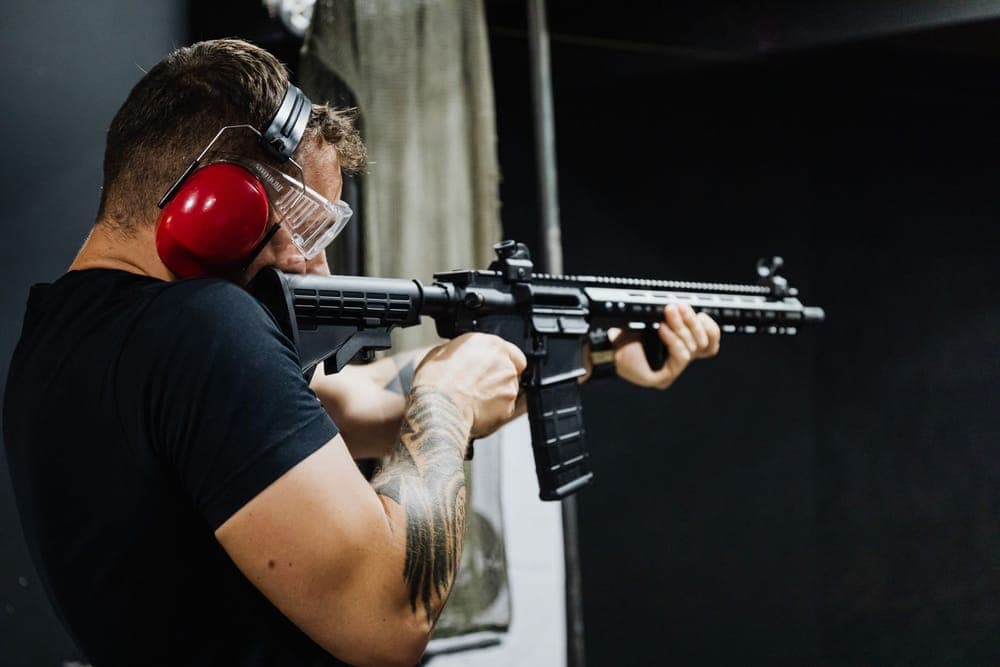
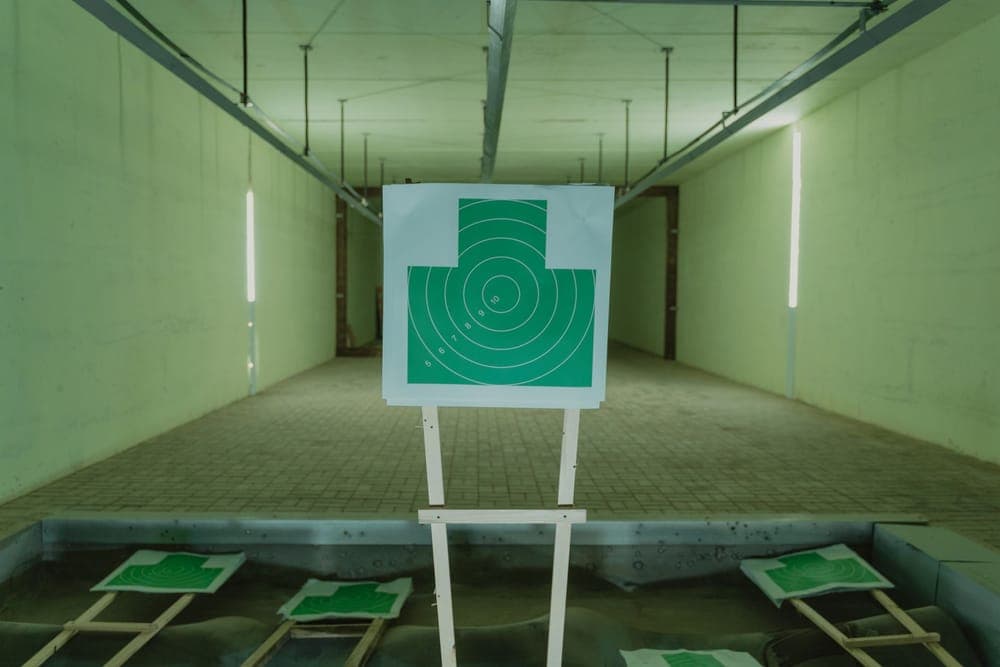
Safety first. This is general information, not a substitute for hands-on instruction. Follow your range's rules and your firearm's manual, and consider a certified safety course. See our gun safety rules.
Quick picks
The picks at a glance
| # | Product | Best for | Score | Price |
|---|---|---|---|---|
| 1 | 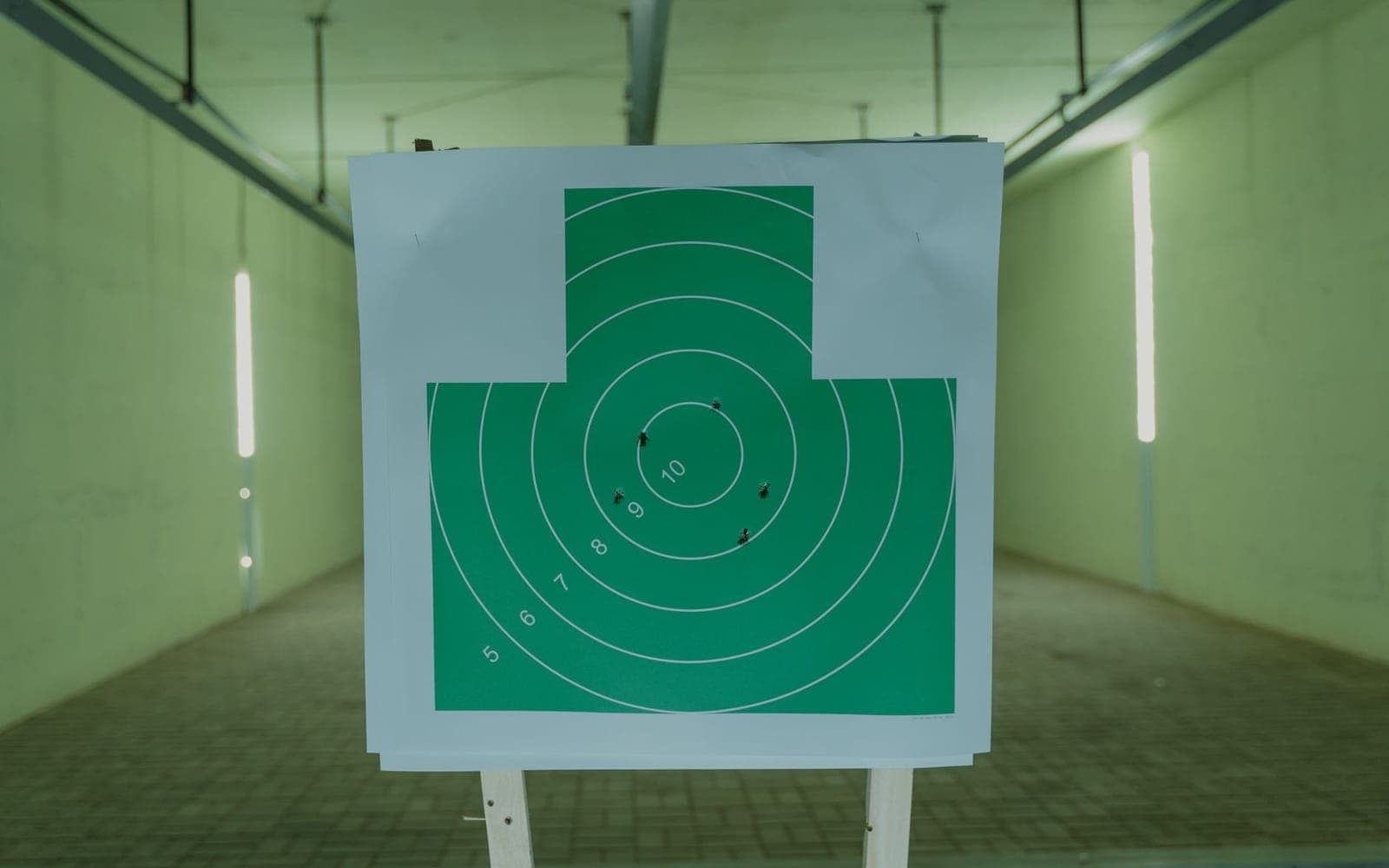 Birchwood Casey Shoot-N-C 12 x 18 Handgun Trainer Birchwood Casey built this one for handguns, and the splatter ring means you see the hit from the bench without walking downrange. | Best pistol target overall | 7.9/10Researched | Check price · Amazon #ad · Disclosure |
| 2 | Birchwood Casey Target Spots 6 Inch One bright aiming point per drill, stuck wherever you want it, which is how you actually measure a group. | Best for grouping work | 7.3/10Researched | Check price · Amazon #ad · Disclosure |
| 3 | 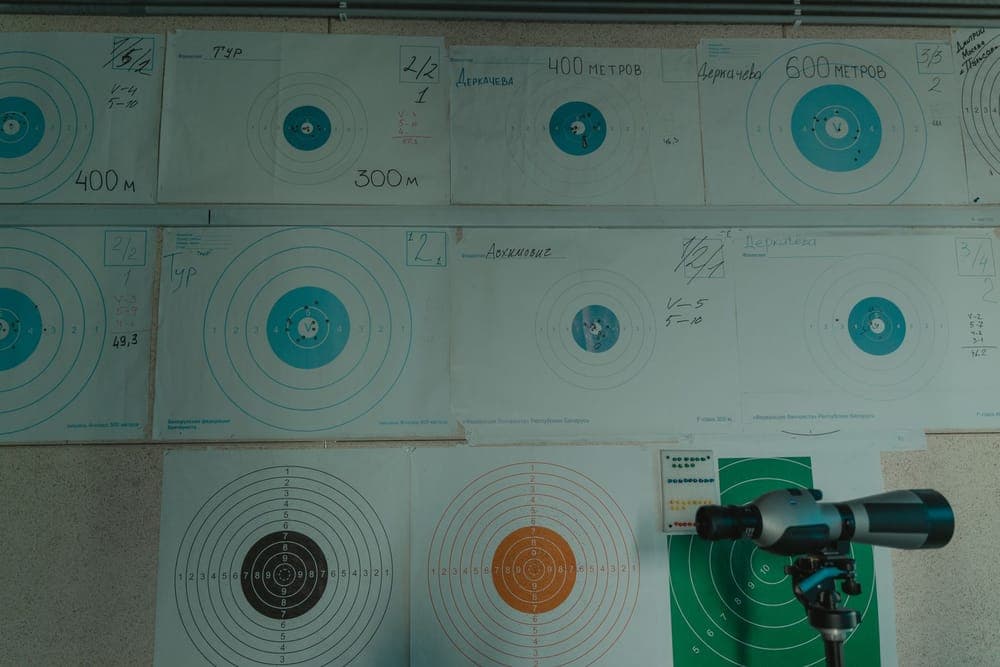 Champion VisiColor Targets Champion sells the widest range of designs here, so one pack covers bullseye, silhouette and multi-target drills. | Widest choice of drills | 5.9/10Researched | Check price · Amazon #ad · Disclosure |
| 4 | Champion Police Silhouette B-27 (100 pack) A true B-27 in a 100-pack, which is the target most law-enforcement and carry-permit courses of fire are scored on. | Best for qualification practice | 6.6/10Researched | Check price · Amazon #ad · Disclosure |
| 5 | Birchwood Casey Eze-Scorer 23 x 35 BC27 (100 pack) A full-size BC27 with printed scoring rings, for when you want a number at the end of a string rather than a feeling. | Best full-size silhouette with scoring | 6.7/10Researched | Check price · Amazon #ad · Disclosure |
#ad · Prices are set by Amazon and change often, so we don't print them. Scores are ours, built from published specs and manuals, not hands-on tests. Photos are illustrative stock. Tap a row for the full write-up.
Handgun practice happens close. Most indoor bays run to 25 yards and most useful pistol work happens between 3 and 15, which is near enough that you can see a hole in paper with your own eyes. That single fact reorders what matters in a target, and it is why a pistol target list looks different from a general one.
At rifle distances a target has to be visible from far away, which pushes you toward high-contrast splatter and big aiming points. At pistol distances you already have feedback, so the target's job becomes structuring the drill: giving you something specific to aim at, something to score against, and enough targets on one sheet that you are not walking downrange every five shots. Every pick is currently sold and every spec comes from the maker's own page, linked in Sources.
If you want the broader beginner overview instead, including reactive and self-healing targets and what a target stand needs to do, our best shooting targets for beginners page is the wider read. This page is narrower on purpose: handgun distances, handgun drills.
Handgun distance changes everything
Three consequences, and each one changes a buying decision:
- You do not need extreme contrast to see hits. Splatter targets are still nice, and they save you squinting at a dark backer, but they stop being essential. That means plain paper is a genuine option and plain paper is far cheaper per target.
- You do need more targets per sheet. Walking downrange is the slowest part of a pistol session, and on a busy range it needs a cease-fire. A sheet with several aiming points, or a big silhouette with scoring rings, keeps you shooting.
- Scoring becomes worth doing. At 10 yards you can genuinely see improvement session to session, and a printed scoring ring turns a vague feeling into a number you can compare.
How we picked
Bench & Berm does not test gear, so nothing here is a test result. Picks are researched from published maker information and scored on the target rubric published on how we pick: hit visibility and feedback, indoor-range compatibility, size and standard, and pack contents and portability.
Three requirements shaped the list:
- It has to be allowed indoors. Which in practice means paper or paper-based reactive. Everything here hangs on a standard backer or a clip at an indoor bay.
- It has to suit a handgun drill. Either multiple aiming points, a repositionable spot, or a scored silhouette. A single bullseye on a sheet is the least useful layout for pistol work.
- Pack size has to make sense. Five targets is a session. A 100-pack is a year, and the cost per target drops enormously, which is why two bulk packs are on this page.
We did not rank on price. The site shows live prices where it can and a "check price" link where it cannot, because a number typed into an article is stale the week after it is published.
Four jobs a pistol target does, and the target for each
Most people end up owning two of the four: something reactive for general practice and a bulk pack of something scored for structured work. That is a sensible place to land.
Why there is no steel on this page
Steel is genuinely fun and it is the wrong recommendation for pistol practice for two separate reasons, neither of which is about the steel being bad.
First, almost no indoor range allows it, and indoor bays are where most handgun practice happens. Second, steel has a published minimum safe distance and handgun distances are close to it or inside it depending on the target. Primos publishes steel target warnings that set out minimum distances and eye protection requirements (Primos), and our steel target safe distance page collects what the makers actually publish. Splash-back from a handgun round at close range on steel is a real eye and skin hazard, which is why Z87+ eye protection is not optional anywhere near it.
If you shoot outdoors on your own land or at a range that permits it, steel is a great addition and our best reactive targets page covers the ones we would start with, with the distances published for each. It is just not the answer to "what should I shoot my pistol at".
Target size at handgun distances
Bigger is not better here, and the reason is diagnostic. If your aiming point is large, a shot that lands anywhere on it feels like a hit, and you learn nothing about where your group actually is. A smaller aiming point at a comfortable distance tells you the truth.
A rough progression that works for most new shooters:
- First sessions, 5 to 7 yards: a 12 by 18 inch reactive target. Big enough that you are not hunting for holes, reactive enough that you see each one.
- Once you are consistently on paper: a 6-inch aiming point at 7 to 10 yards. This is where grouping work starts and where you find out what your trigger control is really doing.
- Structured practice, 7 to 15 yards: a full silhouette with scoring rings, shot as a timed or counted string, so sessions are comparable.
A note on backers: the 23 by 35 inch BC27 is larger than some indoor range backers, so check your range's frame size before buying a 100-pack of full-size silhouettes. Our best target stands page covers what holds what if you shoot outdoors.
Matching the target to the drill
You do not need a course of instruction to practice usefully, but you do need a plan for the session, because magazine dumps into the middle of a sheet teach very little. Four structures that work with the targets here:
- Five shots, slow, at one 6-inch spot. Then look at the group, not the score. Repeat. This is the single most valuable thing a new pistol shooter can do, and it wants a small repositionable aiming point.
- One shot per aiming point across a multi-target sheet. Forces you to reset your grip and sight picture between shots instead of riding recoil.
- A counted string on a silhouette. Ten rounds, scored, written down. Compare next week.
- Dry practice at home on the same target. With the firearm verified unloaded and ammunition in another room, following the NRA's rules. Snap caps make this safer and more useful; our snap caps vs dummy rounds page covers the difference.
If you are new enough that this is your first structured session, the NSSF new shooter guide and our first time at a shooting range page will cover the rest of the trip.
What your range will actually allow
Worth checking before you buy a bulk pack, because ranges differ and the rules are not negotiable. The NSSF's rules of firearm safety put knowing and obeying the rules of your range near the top of the list, and target policy is one of the areas ranges are strictest about. Common restrictions:
- Paper only, which rules out steel and some self-healing targets. All five picks here are fine.
- Their backers, their frames. Many indoor ranges supply a carrier of a fixed size, which caps how large a target you can hang. Measure before you commit to 23 by 35 inch silhouettes.
- No human-silhouette targets, a policy some ranges hold. If yours does, the B-27 and BC27 picks are out and a bullseye or multi-target sheet is what you want.
- No staples or tape on their carriers. Adhesive-backed targets, like Target Spots, are the easy answer where this applies.
Our shooting range etiquette page covers the rest of the unwritten rules, including when you may and may not go downrange to change a target.
Which target for which session
- Your first few range trips: Shoot-N-C 12 by 18 Handgun Trainer. Reactive, handgun-specific, and the pasters let one target last.
- Working on your group: 6-inch Target Spots. One point, five shots, look, repeat.
- Variety across a session: Champion VisiColor. Widest range of designs here.
- Practicing a course of fire: Champion Police Silhouette B-27, 100-pack.
- You want a written score each week: Birchwood Casey Eze-Scorer BC27, 23 by 35 in, if your range's backer takes it.
In detail
The picks, in full
Rank 1
Best pistol target overall
Birchwood Casey Shoot-N-C 12 x 18 Handgun Trainer
Birchwood Casey built this one for handguns, and the splatter ring means you see the hit from the bench without walking downrange.
Published specsResearched · not tested by us
| Target size | 12 x 18 in |
|---|---|
| Pack contents | 5 targets and 110 pasters |
| Hit feedback | "Crisp, chartreuse rings around each bullet hole"Maker's claim |
| Backing | Self-adhesive backing |
How the 7.9 score breaks down
- Hit visibility & feedback (30%)
- 8.5
- Indoor-range compatibility (25%)
- 8
- Size & standard (15%)
- 7.5
- Pack contents & portability (30%)
- 7.5
What the specs support
- Chartreuse rings around each hole, per Birchwood Casey, make hits easier to spot from the firing line
- Self-adhesive backing sticks to a cardboard backer without staples
- 110 pasters in the box let you cover holes and shoot the same sheet again
Where it falls short
- Only 5 targets per pack; the Dirty Bird combo has 8 sheets
- Self-adhesive sheets still need a backer or stand to stick to
Skip it if…
…you want silhouettes and bull's-eyes in one box; the Dirty Bird 12 x 18 combo pack gives you four of each style.
#ad · Price set by Amazon · How we make money for the link to Birchwood Casey Shoot-N-C 12 x 18 Handgun Trainer
Rank 2
Best for grouping work
Birchwood Casey Target Spots 6 Inch
One bright aiming point per drill, stuck wherever you want it, which is how you actually measure a group.
Published specsResearched · not tested by us
| Target size | 6 in |
|---|---|
| Pack contents | 10 targets and 120 pasters |
| Color | "High-contrast, radiant orange" |
| Backing | Self-adhesive |
How the 7.3 score breaks down
- Hit visibility & feedback (30%)
- 6.5
- Indoor-range compatibility (25%)
- 8
- Size & standard (15%)
- 6.5
- Pack contents & portability (30%)
- 8
What the specs support
- A bright orange spot gives a new shooter one clear thing to aim at
- Self-adhesive, so it sticks to cardboard or over a used target
- 120 pasters in the pack for covering holes and reusing each spot
Where it falls short
- The page we checked describes the color, not how hits show; for documented hit rings, see Shoot-N-C
- A 6-inch spot is a small aiming area compared with a full 12 x 18 sheet
Skip it if…
…you want hits that change color so you can read your group from the bench; the Shoot-N-C Handgun Trainer's chartreuse rings are documented, these spots' hit feedback isn't.
#ad · Price set by Amazon · How we make money for the link to Birchwood Casey Target Spots 6 Inch
Rank 3
Widest choice of drills
Champion VisiColor Targets
Champion sells the widest range of designs here, so one pack covers bullseye, silhouette and multi-target drills.
Published specsResearched · not tested by us
How the 5.9 score breaks down
- Hit visibility & feedback (30%)
- 5
- Indoor-range compatibility (25%)
- 8
- Size & standard (15%)
- 7
- Pack contents & portability (30%)
- 4.5
What the specs support
- Five designs to choose from, so you can match the target to the drill
- A 100 Yard Sight-In design for zeroing a rifle
- Multi-bull designs (5 Bullseyes, 5 Inch Double Bull) put more than one aiming point on a sheet
Where it falls short
- Pack count isn't published on the Champion page we checked
- How hits show isn't described, so don't assume the reactive rings you get with Shoot-N-C
- Sheet dimensions aren't stated on the page
Skip it if…
…you want to see your hits from the bench without a spotting scope; Champion doesn't say how hits show on these, while Shoot-N-C's chartreuse rings are documented.
#ad · Price set by Amazon · How we make money for the link to Champion VisiColor Targets
Rank 4
Best for qualification practice
Champion Police Silhouette B-27 (100 pack)
A true B-27 in a 100-pack, which is the target most law-enforcement and carry-permit courses of fire are scored on.
Published specsResearched · not tested by us
How the 6.6 score breaks down
- Hit visibility & feedback (30%)
- 4.5
- Indoor-range compatibility (25%)
- 8
- Size & standard (15%)
- 8.5
- Pack contents & portability (30%)
- 6.5
What the specs support
- The B-27 design by name, from a shooting-target maker
- 100 targets per pack covers a lot of range trips
- The same Champion listing also carries B-21E and B-27FSA green silhouette variants
Where it falls short
- Sheet size isn't stated in Champion's store data; confirm it on the listing before you buy a backer
- 100 targets is more than most first-timers need
- Champion doesn't describe any reactive feature, so hits show as plain holes
Skip it if…
…you want to see your hits from the bench on a first trip; Champion doesn't describe a reactive feature here, while the Shoot-N-C Handgun Trainer's chartreuse rings are documented.
#ad · Price set by Amazon · How we make money for the link to Champion Police Silhouette B-27 (100 pack)
Rank 5
Best full-size silhouette with scoring
Birchwood Casey Eze-Scorer 23 x 35 BC27 (100 pack)
A full-size BC27 with printed scoring rings, for when you want a number at the end of a string rather than a feeling.
Published specsResearched · not tested by us
How the 6.7 score breaks down
- Hit visibility & feedback (30%)
- 4.5
- Indoor-range compatibility (25%)
- 8
- Size & standard (15%)
- 8.5
- Pack contents & portability (30%)
- 7
What the specs support
- Full 23 x 35 inch sheet with a large silhouette to aim inside
- Scoring table and score card printed on the target, so you can track progress
- High-contrast green silhouette on white paper, per Birchwood Casey
- 100 targets in the pack
Where it falls short
- BC27 is Birchwood Casey's B-27-style design, not labeled B-27; if a class specifies a B-27, ask whether this counts
- At 23 x 35 inches it needs a large backer or frame
- No reactive feature is described, so hits show as plain holes
Skip it if…
…your stand, backer or lane can't hold a 23 x 35 inch sheet; a 12 x 18 target like the Dirty Bird combo or the Eze-Scorer Double Bull's-Eye fits more setups.
#ad · Price set by Amazon · How we make money for the link to Birchwood Casey Eze-Scorer 23 x 35 BC27 (100 pack)
What to look for in a pistol target
- Multiple aiming points, or a repositionable one. The layout that keeps you shooting instead of walking downrange.
- A size your range's backer takes. Check the carrier before you buy a bulk pack of full-size silhouettes.
- Pasters or repair patches included. They double or triple the life of a reactive target, and Birchwood Casey includes them with both the Handgun Trainer and Target Spots.
- Printed scoring, if you want to track progress. A scored silhouette turns a session into a number.
- Adhesive backing, if your range bans staples. Target Spots stick to a plain backer, which solves this entirely.
- Pack size matched to how often you shoot. Five targets for occasional trips; a 100-pack if you shoot monthly, where the per-target cost collapses.
- Paper, not steel, for indoor handgun work. Steel has a published minimum distance and most indoor bays ban it anyway.
Beginner mistakes with pistol targets
- Aiming at a target that is too big. Everything feels like a hit and you learn nothing. Shrink the aiming point before you extend the distance.
- Starting at 25 yards. Start at 5 to 7. Pistol fundamentals are built close and stretched later.
- Shooting one hole until the target falls apart. Spread your drills across the sheet, or use pasters, so you can still tell new holes from old.
- Buying steel for a pistol you shoot indoors. Your range almost certainly bans it, and handgun distances are close to the published minimum safe distances anyway.
- Buying a 100-pack before checking the backer size. A 23 by 35 inch silhouette does not fit every indoor carrier.
- Shooting without a plan. A counted, structured string on a scored target beats a magazine dump into the middle of a sheet every time.
- Skipping eye protection because it is only paper. Fragments and splash come off backers, frames and the floor. Z87+ glasses, always.
How we scored this
Units we claim to have tested: none
Most gear sites say they tested thirty muffs. We haven't put these on a sound meter, and we say so. Every pick here is labeled Researched: we compiled each maker's published specs (the EPA-labeled NRR on hearing protection, the Z87+ mark on glasses), read the manuals, and scored everything on a public rubric. Every figure links to where it came from, and marketing claims are labeled “maker's claim.”
Scores are editorial judgments from that documented research, not test results. Commissions never set a score or decide a pick. The rubric and its weights are published.
Questions
Common questions
What are the best targets for pistol practice?
What size target should you use for pistol shooting?
Can you use steel targets with a pistol?
What is a B-27 target and do you need one?
How many targets do you go through in a pistol session?
Are paper targets good enough, or do you need reactive ones?
Where this comes from
Sources
- Birchwood Casey, Shoot-N-C 12 x 18 in Handgun Trainer Target product page, accessed 2026-09-26
- Birchwood Casey, Target Spots 6 Inch (10 targets, 120 pasters) product page, accessed 2026-09-26
- Champion (primos.com), VisiColor Targets product page, accessed 2026-09-26
- Champion (primos.com), LE Targets range including the Police Silhouette B-27, accessed 2026-09-26
- Birchwood Casey, Eze-Scorer 23x35 BC27 (100 targets) product page, accessed 2026-09-26
- Primos, steel target warnings and minimum distances, accessed 2026-09-26
- NRA, NRA Gun Safety Rules, accessed 2026-09-26
- NSSF, Rules of Firearm Safety, accessed 2026-09-26
- NSSF Let's Go Shooting, new shooter guidance, accessed 2026-09-26
We haven't tested the gear on this page and we don't pretend to. Specs come from each maker's own pages and data sheets (linked on every product); ratings like NRR and Z87+ are explained from the standards and agencies behind them. Prices are set by Amazon and change often, so we don't print them. Where a figure isn't published, we say so. Read the full method.