Not medical advice. This page shares general guidance from the public-health sources linked in the text. If you're worried about your hearing or lead exposure, talk to a doctor.
The contenders
Side by side
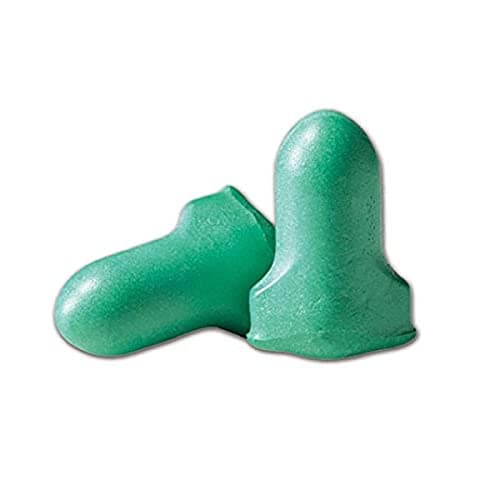
The foam case, at its strongest
Howard Leight MAX-1
NRR 337.1/10NRR 33, the highest figure on this site, in a pre-shaped bell. This is what foam buys you and why it wins on protection.
$39.89Amazon#ad · Price as of November 3, 2026 · How we make money for the link to Howard Leight MAX-1
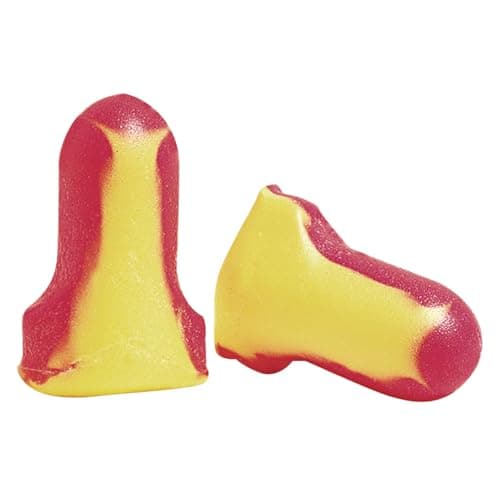
Foam, in roll-down form
Howard Leight Laser Lite
NRR 327.1/10NRR 32 roll-down foam, sold corded and uncorded. The plug the roll, pull and hold method was written for.
$32.19Amazon#ad · Price as of November 3, 2026 · How we make money for the link to Howard Leight Laser Lite
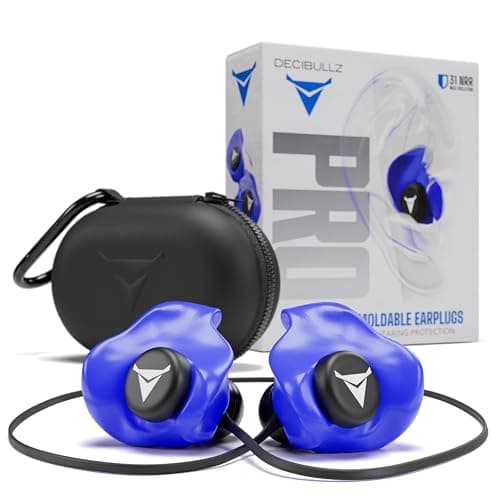
The silicone-tip route, reusable
Decibullz Custom Molded Earplugs
NRR 318.3/10NRR 31 with triple-flange silicone tips in three sizes plus a foam tip, so you can try both materials in one purchase.
$39.99Amazon#ad · Price as of November 3, 2026 · How we make money for the link to Decibullz Custom Molded Earplugs
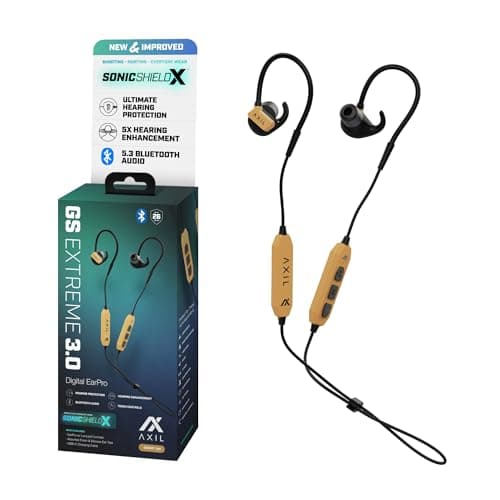
The product that publishes both
AXIL GS Extreme 3.0
NRR 216.7/1021 dB NRR with the foam tips, 17 dB with silicone, from the same maker on the same earbud. The four-decibel gap is the whole story.
$119.95Amazon#ad · Price as of November 3, 2026 · How we make money for the link to AXIL GS Extreme 3.0
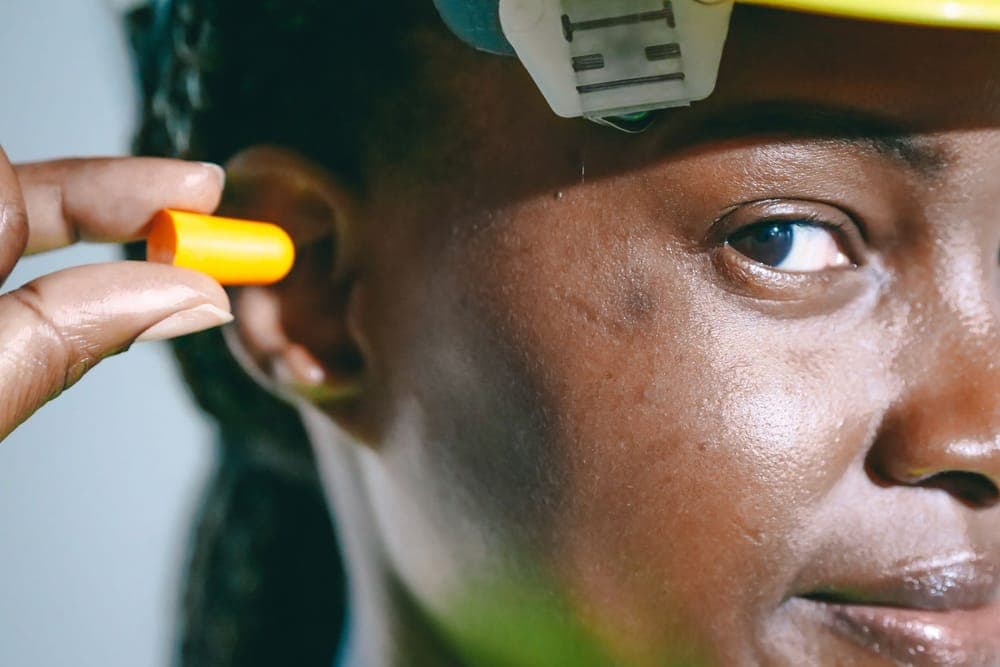
This comparison usually gets argued from feel, which is why it never resolves. One person finds foam claustrophobic, another finds silicone flanges itchy, and neither has a number to point at.
There is a number. AXIL publishes a separate NRR for each tip material on the same product, which is as close to a controlled comparison as a buyer is ever going to get: same shell, same electronics, same maker, same test standard, only the tip changes.
The verdict
That is not a close call on protection and not a close call on convenience either. It is a genuine trade, which is why both materials still exist.
The gap, as one maker publishes it
AXIL's GS Extreme 3.0 publishes 21 dB NRR with the Max Protect Foam or General Foam tips and 17 dB NRR with silicone tips. Four decibels, same earbud.
Four decibels sounds small and is not. The NRR is a logarithmic scale, so the practical effect is larger than the arithmetic looks, and it arrives on top of a figure that was already low: 21 dB is the lowest plug rating on this site, and 17 is lower still. For an electronic earbud used at an indoor range, that is the difference between "wear muffs over these" and "these are not enough on their own under any circumstances".
The gap has a physical cause rather than being a quirk of one product. Foam expands into the shape of your canal and seals along its length. A silicone flange seals at a ring of contact, which is faster and less intimate, and a seal at a ring leaks more easily than a seal along a length.
How foam seals
Foam plugs are compressed, inserted, and then expand in place. That expansion is the whole mechanism, and it has two consequences worth knowing.
First, the fit is yours. Foam takes the shape of your canal rather than asking your canal to accept a shape, which is why foam works across a wider range of ear anatomies than any flanged plug. Second, the fit depends entirely on technique. NIOSH publishes the method as roll, pull, hold, and a plug that never got the pull step stops at the first bend of the canal and performs like a worse plug. Our how to wear foam earplugs page walks it through.
Not all foam is roll-down foam. The Howard Leight MAX-1 is a pre-shaped bell whose listing says the shape "matches contours of your inner ear" and "helps resist the tendency to back out of ear canal". The Laser Lite is conventional roll-down foam at NRR 32, sold corded and uncorded.
How silicone seals
A silicone plug is a molded body with one or more flanges, and each flange is a soft ring that wipes against the canal wall as the plug goes in. There is no expansion phase and no twenty-second wait.
Which buys you four real things:
- Instant reseating. Out and back in, in two seconds, correctly. Foam needs the whole routine again.
- Washability. Silicone survives soap and water. Foam does not survive anything.
- Sizes. Flanged tips come in small, medium and large, so the fit question is answered by swapping a tip instead of by technique. Decibullz ships triple-flange silicone tips in S, M and L plus a foam tip.
- It is the only option for electronics. Every electronic earbud seals with a tip, and the tip you fit determines the rating. That is why AXIL publishes two numbers.
Side by side
Every figure below is the maker's own and links to its source. The AXIL row is the one that carries the comparison, because it is the only product here that publishes a rating per material.
| Published spec | Howard Leight MAX-1 | Howard Leight Laser Lite | Decibullz Custom Molded Earplugs | AXIL GS Extreme 3.0 |
|---|---|---|---|---|
| NRR | 33 dB | 32 dB | 31 dB | 21 dB NRR with the Max Protect Foam or General Foam tips; 17 dB NRR with silicone tips |
| Type | Disposable foam, uncorded | Disposable foam | Not published | Not published |
| Contents | 200 pairs | Not published | 1 set of Thermo-fit earpieces, 1 set of Max Isolation foam tips (size M), triple-flange silicone tips in S, M and L, and a carrying pouch | Not published |
| Pack contents | 200 pairs | Not published | 1 set of Thermo-fit earpieces, 1 set of Max Isolation foam tips (size M), triple-flange silicone tips in S, M and L, and a carrying pouch | Not published |
| Score | 7.1/10 | 7.1/10 | 8.3/10 | 6.7/10 |
Cost over a year
We do not print prices on this site, because a number typed into an article is wrong the week after it is published and the live figures come from the price layer instead. But the shape of the cost is worth stating, because it is the main reason people switch.
Foam is cheap per pair and consumed. The MAX-1 comes 200 pairs to a pack, which for most recreational shooters is several years of range trips plus spares for everyone who comes along. Silicone is bought once and kept. For a single shooter the lifetime cost is similar; for a family or a club, foam by the bag is dramatically simpler, because you are handing plugs to people rather than sharing a molded set, which you should not do.
Comfort and long sessions
Foam's expansion is also its comfort problem. The plug exerts gentle outward pressure the whole time it is in, and after two or three hours some people feel it. Silicone flanges touch less of the canal and more people forget they are there.
Pulling in the other direction: a foam plug that has settled is settled, while a flanged plug can work its way out as you talk and chew, and you may not notice. If you are going to lose protection, you will lose it from a flange that crept rather than from foam that was uncomfortable.
If plugs of either kind are the problem rather than the solution, our earplugs vs earmuffs page covers going the other way, and earplugs vs canal caps covers the banded middle ground.
Under earmuffs
For plugs under muffs, buy foam, and the reason is geometry rather than rating. A deeply seated foam plug sits entirely inside the canal and leaves nothing protruding. A flanged plug with a stem or a cord mount sits proud of the ear and can hold the muff cushion off your head, which costs you the muff's seal to gain the plug's.
The ratings also argue for foam here. Our double hearing protection page explains why the two figures do not simply add, and why you want the higher-rated protector as the inner layer.
Which to buy
- Maximum protection, or anything indoors: foam. Howard Leight MAX-1 at NRR 33.
- Corded pairs that stay together between strings: foam. Laser Lite, sold corded.
- In and out repeatedly through a session: silicone flanges.
- Buy once, keep for years: silicone or custom-molded. Decibullz at NRR 31.
- Electronic earbuds: you get silicone by default, so fit the foam tips the maker supplies and take the higher published number.
- Plugs for a group, a class or a family: foam, by the bag, no question.
Our best earplugs for shooting page ranks the whole category, and best electronic earplugs covers the powered end where tip material is the only choice you get.
In detail
The contenders, in full
The foam case, at its strongest
Howard Leight MAX-1
NRR 33, the highest figure on this site, in a pre-shaped bell. This is what foam buys you and why it wins on protection.
Published specsResearched · every value sourced
| NRR | 33 dB |
|---|---|
| Type | Disposable foam, uncorded |
| Pack contents | 200 pairs |
| Model | MAX-1 (the listing shows model MXM-1) |
How the 7.1 score breaks down
- Published NRR (40%)
- 9.5
- Reusability (20%)
- 3
- Fit range & sizes (20%)
- 5
- Works under muffs (20%)
- 8.5
What the specs support
- NRR 33, the highest rating of any plug or muff we cover
- 200 pairs, enough to keep spares in the range bag and hand a pair to a friend
- Foam plugs sit inside the ear canal, so they're an easy first layer under earmuffs
Where it falls short
- The 33 is a lab rating; real protection depends on rolling and seating each plug correctly
- Specs come from Honeywell's licensed store, not a Howard Leight product page; retail listings may now say "Howard Leight by PIP"
- Single-use foam
Skip it if…
…you want plugs that stay together on a cord between strings; the MAX-1 is uncorded, so pick corded Laser Lite or Caldwell's corded Range Plugs.
#ad · Price as of November 3, 2026 · How we make money for the link to Howard Leight MAX-1
Foam, in roll-down form
Howard Leight Laser Lite
NRR 32 roll-down foam, sold corded and uncorded. The plug the roll, pull and hold method was written for.
Published specsResearched · every value sourced
| NRR | 32 dB |
|---|---|
| Type | Disposable foam |
| Versions | Uncorded and corded, plus dispensers and refills |
| Part numbers | 3301105 / 3301106 |
How the 7.1 score breaks down
- Published NRR (40%)
- 9
- Reusability (20%)
- 3
- Fit range & sizes (20%)
- 6
- Works under muffs (20%)
- 8.5
What the specs support
- NRR 32, one point under the MAX-1
- Sold in corded and uncorded versions, so you can choose whether a pair stays together
- Dispensers and refills exist, handy for a club, class or family range box
Where it falls short
- Our source is Honeywell's UK (GB) page; check the NRR printed on the US package you buy
- The 50-pair retail pack (R-01204) is marked discontinued on Honeywell's licensed US store, so check the pack size on the listing you buy
Skip it if…
…you'd rather buy one reusable set than keep restocking disposables; Laser Lite are single-use foam, and the Decibullz Custom Molded (NRR 31) is the reusable pick here.
#ad · Price as of November 3, 2026 · How we make money for the link to Howard Leight Laser Lite
The silicone-tip route, reusable
Decibullz Custom Molded Earplugs
NRR 31 with triple-flange silicone tips in three sizes plus a foam tip, so you can try both materials in one purchase.
Published specsResearched · every value sourced
How the 8.3 score breaks down
- Published NRR (40%)
- 9
- Reusability (20%)
- 9
- Fit range & sizes (20%)
- 8
- Works under muffs (20%)
- 6.5
What the specs support
- NRR 31, and Decibullz states it meets ANSI S3.19, the US test standard behind the NRR
- Custom-molded Thermo-fit earpieces you keep and reuse
- Three silicone tip sizes (S, M, L) plus a foam tip, so more ears can find a seal
- Carrying pouch included
Where it falls short
- We couldn't confirm which of the included tips the 31 NRR was measured with; use the one that seals best
- The earpieces are custom molded, so there's a fitting step that grab-and-go foam doesn't need
- Only one foam tip set (size M) is included
Skip it if…
…you need plugs for a group or a class; one custom-molded set fits one person, while a 200-pair pack of MAX-1 foam covers everyone.
#ad · Price as of November 3, 2026 · How we make money for the link to Decibullz Custom Molded Earplugs
The product that publishes both
AXIL GS Extreme 3.0
21 dB NRR with the foam tips, 17 dB with silicone, from the same maker on the same earbud. The four-decibel gap is the whole story.
Published specsResearched · every value sourced
How the 6.7 score breaks down
- Published NRR (40%)
- 5.5
- Reusability (20%)
- 8.5
- Fit range & sizes (20%)
- 7.5
- Works under muffs (20%)
- 6.5
What the specs support
- Bluetooth 5.3 built in, the only Bluetooth pick in our ear-protection lineup
- AXIL quotes up to 40 hours with hearing enhancement only
- AXIL publishes a separate NRR for each tip style, so you know what each tip gives you
Where it falls short
- 21 dB NRR with foam tips is the lowest plug rating we cover, and silicone tips drop it to 17
- Can't be used while charging
- AXIL also lists SNR figures, a European scale; compare products using the NRR
Skip it if…
…you want earbuds as your only protection at an indoor range; 21 dB NRR at best is low for that, so wear muffs over them or choose the NRR 25 Walker's earbuds.
#ad · Price as of November 3, 2026 · How we make money for the link to AXIL GS Extreme 3.0
How we scored this
Every pick, scored on numbers you can check
Every pick here is labeled Researched: we compiled each maker's published specs (the EPA-labeled NRR on hearing protection, the Z87+ mark on glasses), read the manuals, checked the standards behind them, and scored everything on a public rubric. Every figure links to where it came from, and marketing claims are labeled “maker's claim,” so you can see exactly why a pick ranks where it does.
Scores are editorial judgments built from that documented research. Commissions never set a score or decide a pick. The rubric and its weights are published.
Questions
Common questions
Are foam or silicone earplugs better for shooting?
Why do silicone earplugs have a lower NRR than foam?
Can you reuse silicone earplugs?
Which earplugs should you wear under earmuffs?
Do silicone earplugs work for an indoor range?
What is the difference between silicone earplugs and custom-molded ones?
Where this comes from
Sources
- AXIL, GS Extreme 3.0 product page (publishes NRR per tip material), accessed 2026-10-10
- HoneywellStore.com (licensed Honeywell store), Howard Leight MAX disposable foam earplugs (MAX-1) listing, accessed 2026-10-10
- Honeywell (GB), Laser Lite Disposable Foam Earplugs product page, accessed 2026-10-10
- Decibullz, Custom Molded Earplugs 31dB NRR product page, accessed 2026-10-10
- NIOSH, How to Wear Soft Foam Earplugs (Roll, Pull, Hold), accessed 2026-10-10
- US EPA, 40 CFR Part 211 Subpart B, Hearing Protective Devices (eCFR), accessed 2026-10-10
- Meinke DK, Finan DS, Flamme GA, Murphy WJ, et al., Prevention of Noise-Induced Hearing Loss from Recreational Firearms, Seminars in Hearing 2017 (CDC Stacks), accessed 2026-10-10
Specs come from each maker's own pages and data sheets (linked on every product); ratings like NRR and Z87+ are explained from the standards and agencies behind them. Prices are set by Amazon and change often, so the buy button always takes you to the current one. Where a figure isn't published, we say so. Read the full method.