Safety first. This is general information, not a substitute for hands-on instruction. Follow your range's rules and your firearm's manual, and consider a certified safety course. See our gun safety rules.
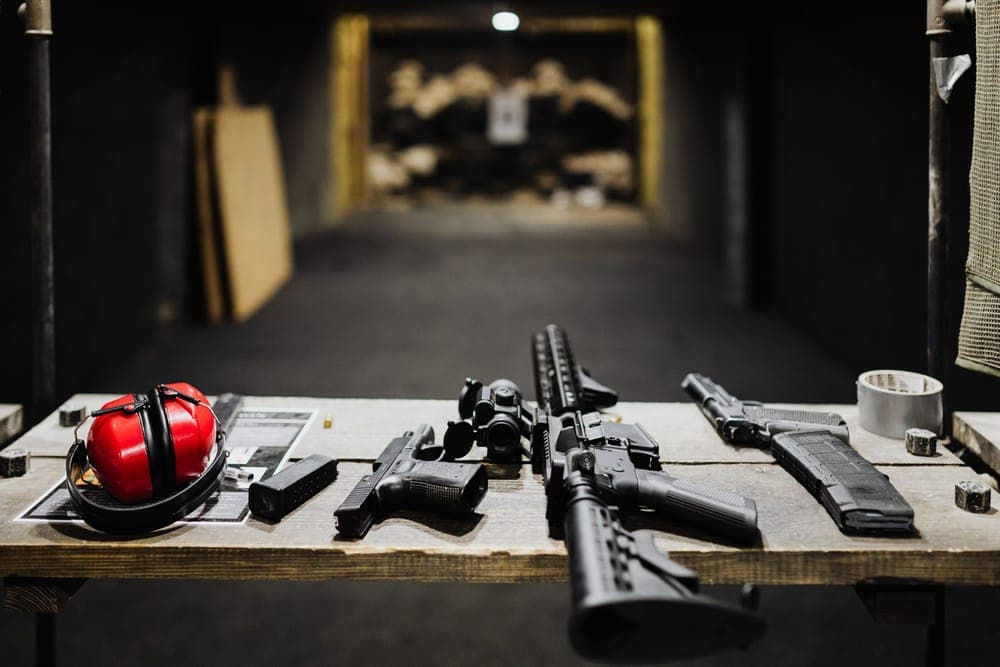
You will hear both words in your first ten minutes at a range and nobody will define either. Worse, the same two words get used for two different things, and the difference decides whether you may legally walk in through the front door with a loaded holstered pistol.
So: the published definitions first, then the distinction that causes the confusion.
The two definitions
Florida FWC publishes both states in its range safety rules, and the wording is worth quoting rather than summarizing:
Read the shared half of both FWC sentences: "Shooters must check with others". In both directions the verification is your job as well as the range officer's. You do not get to assume the line is in the state somebody announced two minutes ago.
The meaning nobody explains
These two words describe two different scopes, and context tells you which:
- A moment in a session. "The line is cold" right now, because people are changing targets. In five minutes it will be hot again. This is the usage above.
- A policy for the whole facility. "This is a cold range" as a standing rule, meaning no loaded firearm anywhere on the property outside a firing bay, including in the parking lot, the lobby and your holster.
The second usage is the one that catches people out, because it governs what you do before you ever reach a bench. Getting it wrong at a cold-range facility means walking into a lobby carrying something you were not supposed to be carrying, which at best is an awkward conversation.
A cold range, during a session
When the line goes cold, the sequence is fixed:
- Stop shooting. Finger off the trigger.
- Unload: magazine out, chamber empty.
- Open the action and lay the firearm on the bench, muzzle downrange. Georgia DNR adds the detail that the muzzle of every firearm in the firing position must be in front of the front edge of the bench it rests on.
- Step back from the bench. Hands off, and keep them off.
- Only then does anyone go downrange. Florida FWC: "stay on the walkways to and from the targets", and access to the backstop and areas outside the target lines and walkways is prohibited.
The rule people break is step four. Touching a firearm during a cold line, even to put it in a bag, even unloaded, is the single most reliable way to get spoken to sharply by a range officer, and they are right to. The person standing fifteen yards downrange has no way to tell what you are doing with your hands.
A hot range, during a session
Hot means you may load and fire, and it does not mean you must. It also does not relieve you of checking. The FWC's wording puts the burden on shooters to "ensure there is no one down range", which in practice means you look down the bay with your own eyes before you load, every single time the line transitions.
Three habits for a hot line:
- Muzzle downrange before the magazine goes in. Orient the firearm first, load second.
- Look, do not listen. Confirm the bay is empty visually. You are wearing hearing protection and somebody may be behind a target frame.
- Keep watching the line, not only your target. The person next to you is who you will see develop a problem, and you are allowed to call a cease fire. Our range commands page has the words.
A cold-range facility
At a cold-range facility, firearms are unloaded and cased everywhere except the firing position. That is the default at most indoor commercial ranges and at many public agency ranges, and it is why you will see signs about uncasing at the bench only.
What that means in practice:
- Arrive with the firearm unloaded and cased. Ammunition separate, magazines out. Our how to transport a gun to the range page covers this properly, including the legal side.
- Open the case at the bench, not at the counter. First handling happens in the firing position with the muzzle downrange.
- Case it again before you leave the bench. Not in the lobby, not at the car.
- No holstered carry on the firing line unless the range runs a specific class or discipline that allows it.
A hard case with lockable latches is the format that makes this easy and keeps you out of arguments. Our best lockable pistol cases page covers them, and hard vs soft pistol case covers the choice.
A hot-range facility
At a hot-range facility, a holstered, loaded firearm is permitted on the property. Many outdoor clubs and some training facilities run this way, because it reflects how people actually carry and because drawing from a holster is part of the training.
The rule that comes with it is absolute and worth stating: the gun stays in the holster. No administrative handling, no showing somebody your new pistol in the parking lot, no reholstering at a picnic table. Handling happens in a firing bay, pointed downrange, under whatever commands that bay is running.
If you want to dry-fire or practice presentation, that is what a designated safety area is for, and the rule there is no ammunition in the area at all. Snap caps are the tool for dry practice, and our snap caps vs dummy rounds page covers them, including the rule that they never get mixed with live ammunition.
How to arrive at either kind
You do not have to guess. Three moves cover every range in the country:
- Read the range's own rules before you go. Public agencies publish them: Georgia DNR, Florida FWC, Louisiana Wildlife and Fisheries and Connecticut DEEP all post range rules online, and private ranges post theirs on their own sites.
- Default to cold. Arrive unloaded and cased, ammunition separate. That is correct at a cold-range facility and acceptable at a hot-range one. The reverse is not true.
- Ask at the counter. "Is this a hot or cold range?" is a question that marks you as careful rather than as a novice, and it takes four seconds.
Our first time at a shooting range page covers the rest of the arrival, and indoor vs outdoor shooting range covers which kind of facility tends to run which policy.
What this changes about your kit
Three items whose usefulness is decided by which kind of range you go to: the case that makes cold-range arrival painless, the muffs that let you hear the transition being announced, and the snap caps for a safety-area dry practice.
Our picks for this
Kit for a cold line and a hot one
Published specs from each maker. None of this is exotic: it is the three things that make the hot and cold rules easy rather than awkward.
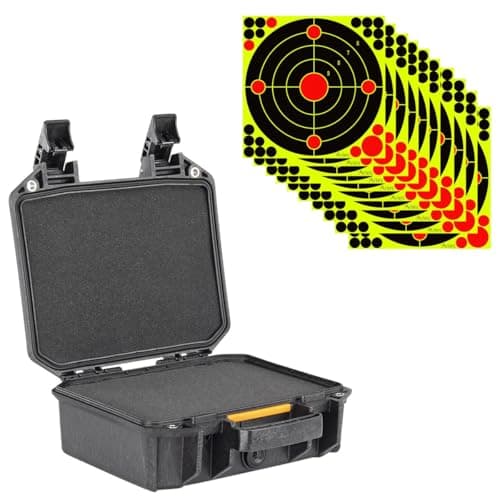
Best padlock-ready hard case
Pelican Vault V100 Small Pistol Case
6.0/10ResearchedA hard case with lockable latches is what a cold-range facility expects you to walk in with, and it ends the uncasing argument before it starts.
$69.95Amazon#ad · Price as of November 3, 2026 · How we make money for the link to Pelican Vault V100 Small Pistol Case
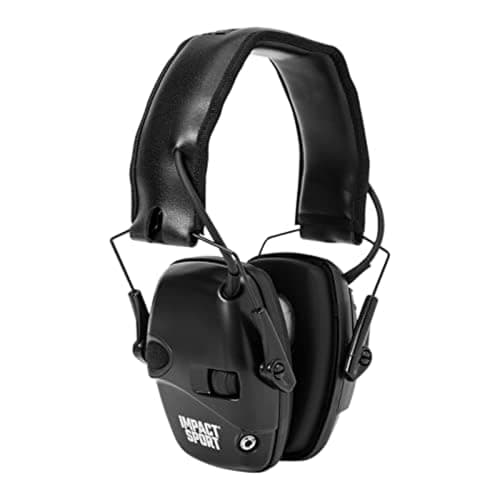
Best first electronic muff
Howard Leight Impact Sport
NRR 227.2/10ResearchedNRR 22 with microphones Howard Leight says amplify ambient sound to a safe 82 dB, so you hear the line being called hot or cold rather than guessing.
$60.00Amazon#ad · Price as of November 3, 2026 · How we make money for the link to Howard Leight Impact Sport
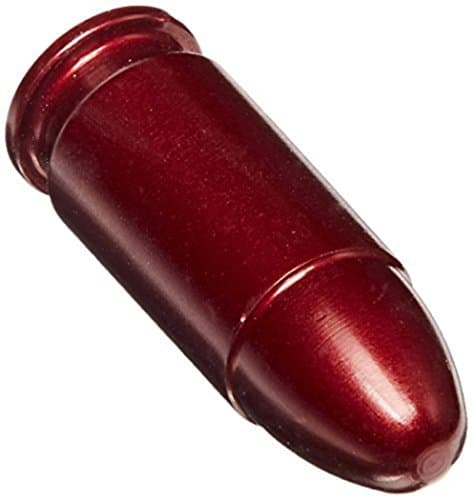
Best snap caps for dry fire
A-Zoom Precision Pistol Snap Caps 9mm
8.0/10ResearchedFor dry practice in a designated safety area, where the rule is no live ammunition present at all. Never mix them with live rounds.
$16.99Amazon#ad · Price as of November 3, 2026 · How we make money for the link to A-Zoom Precision Pistol Snap Caps 9mm
What goes wrong
- Touching a firearm on a cold line. Including to pack up. Hands off until the line is hot or you are told otherwise.
- Assuming the line is still hot. Transitions happen while you are reloading and wearing hearing protection. Look before every string.
- Uncasing at the counter at a cold-range facility. First handling belongs at the bench, muzzle downrange.
- Taking the gun out of the holster at a hot-range facility. The holster is the whole basis of the permission.
- Walking off the marked walkway downrange. Florida FWC prohibits access outside the target lines and walkways, and the backstop is the specific place not to wander into.
- Waiting to be told. Both FWC rules make the check the shooters' job. You verify, then you act.
All of it sits on top of the four rules that do not change with the range's policy, published by the NRA and the NSSF, with a good newcomer walkthrough at letsgoshooting.org. Our gun safety rules page has them.
How we scored this
Every pick, scored on numbers you can check
Every pick here is labeled Researched: we compiled each maker's published specs (the EPA-labeled NRR on hearing protection, the Z87+ mark on glasses), read the manuals, checked the standards behind them, and scored everything on a public rubric. Every figure links to where it came from, and marketing claims are labeled “maker's claim,” so you can see exactly why a pick ranks where it does.
Scores are editorial judgments built from that documented research. Commissions never set a score or decide a pick. The rubric and its weights are published.
Questions
Common questions
What does cold range mean?
What does hot range mean?
Can you touch your gun on a cold range?
Is a cold range the same as a cease fire?
Should you arrive at a range with your gun loaded?
Can you carry a holstered pistol at a hot range?
Where this comes from
Sources
- Florida FWC, shooting range safety rules, accessed 2026-10-10
- Georgia DNR, firearm range rules, accessed 2026-10-10
- Louisiana Department of Wildlife and Fisheries, shooting ranges, accessed 2026-10-10
- Connecticut DEEP, Glastonbury Shooting Range information, accessed 2026-10-10
- NRA, Gun Safety Rules, accessed 2026-10-10
- NSSF, Rules of Firearm Safety, accessed 2026-10-10
- NSSF letsgoshooting.org, New Shooters, accessed 2026-10-10
Specs come from each maker's own pages and data sheets (linked on every product); ratings like NRR and Z87+ are explained from the standards and agencies behind them. Prices are set by Amazon and change often, so the buy button always takes you to the current one. Where a figure isn't published, we say so. Read the full method.