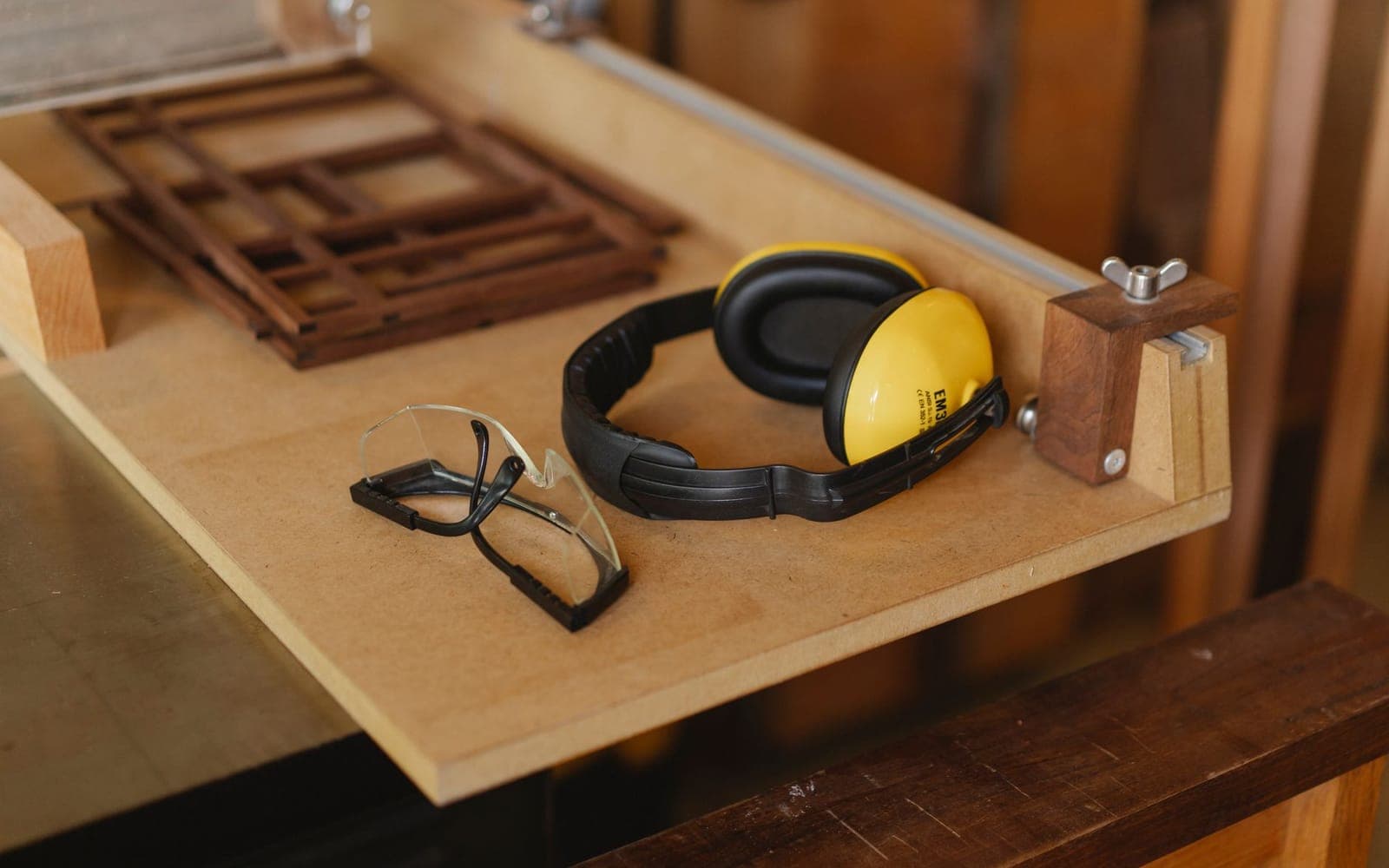
Quick picks
The picks at a glance
| # | Product | Best for | Score | Price |
|---|---|---|---|---|
| 1 | 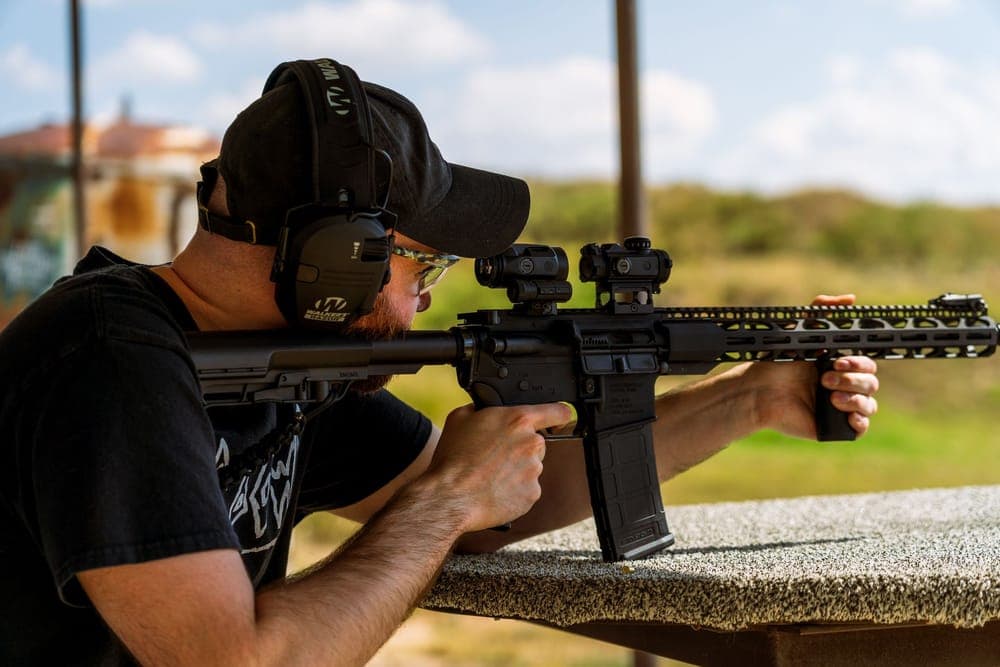 Howard Leight Impact Sport The default first electronic muff: NRR 22, about 350 hours from two AAAs, and a 4-hour auto shut-off so a forgotten switch costs nothing. | Best under 100 overallNRR 22 | 7.2/10Researched | Check price · Amazon #ad · Disclosure |
| 2 | Howard Leight Impact Pro NRR 30, the highest-rated electronic muff we cover anywhere, with the same 350-hour battery figure. Bulkier cups are the trade. | Most protection with electronicsNRR 30 | 7.4/10Researched | Check price · Amazon #ad · Disclosure |
| 3 | Walker's Razor Slim Electronic NRR 23 in a cup Walker's calls low-profile, with both AAAs in the box. The pick if a stock meets your muff. | Best for rifles and shotgunsNRR 23 | 6.3/10Researched | Check price · Amazon #ad · Disclosure |
| 4 | 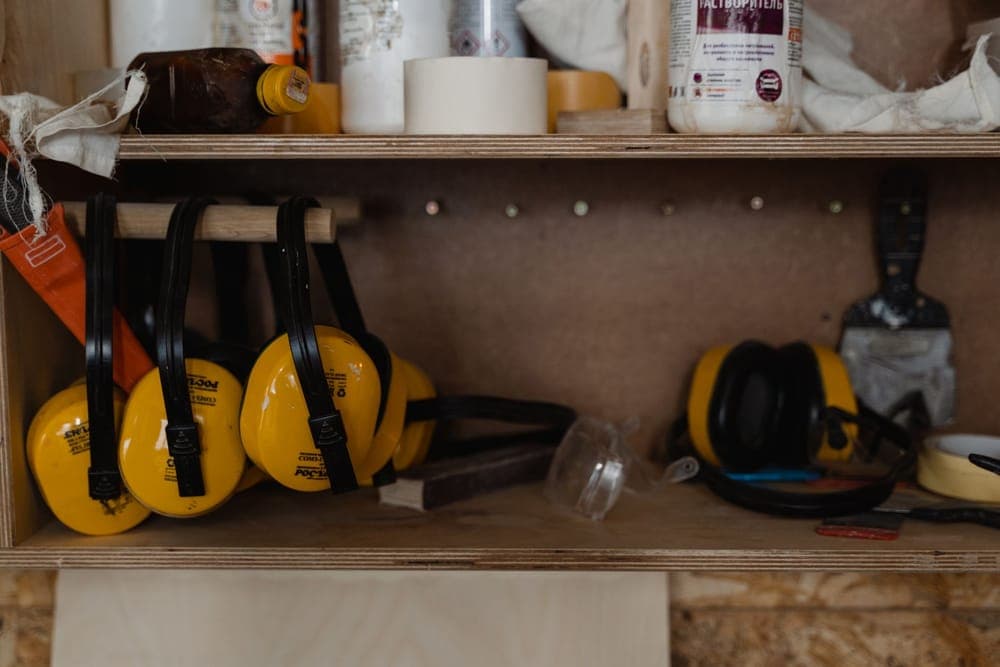 Howard Leight Leightning L3 NRR 30 with no batteries and nothing to fail, which is the right answer for an indoor pistol bay where amplification matters least. | Best passive muffNRR 30 | 6.7/10Researched | Check price · Amazon #ad · Disclosure |
| 5 | 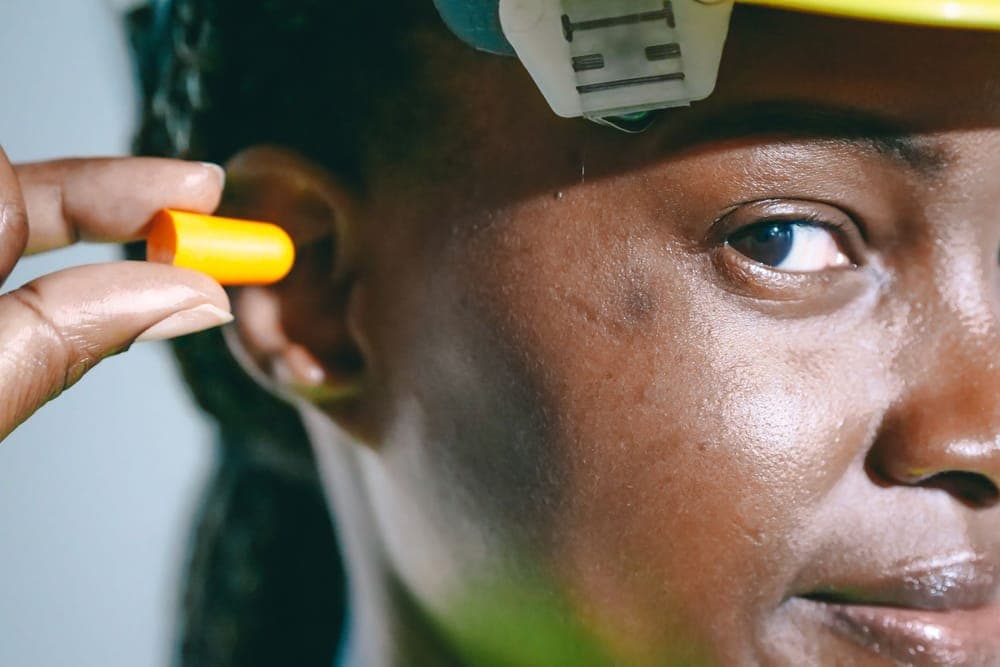 Howard Leight MAX-1 NRR 33, the highest rating we cover in any category, in a 200-pair pack. Buy these whatever else you buy. | Best value in the whole hubNRR 33 | 7.1/10Researched | Check price · Amazon #ad · Disclosure |
#ad · Prices are set by Amazon and change often, so we don't print them. Scores are ours, built from published specs and manuals, not hands-on tests. Photos are illustrative stock. Tap a row for the full write-up.
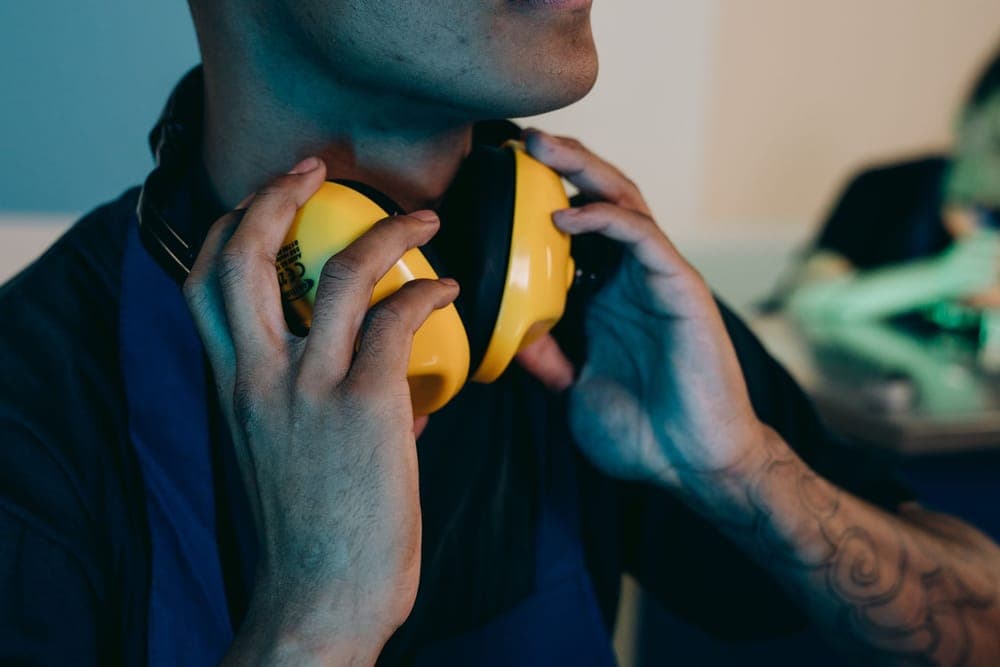
Most "under a hundred" buying guides are about compromise: here is what you give up to stay under the line. This one mostly is not, and that is worth saying up front, because it changes how you should spend a first range-kit budget.
The highest-rated electronic muff we cover anywhere on this site is in this bracket. So is the highest-rated passive muff. So is the highest-rated earplug, by a distance. There is a premium tier above it and it does add real things, but none of them is more protection. Every pick is currently sold and every spec comes from the maker's own page, linked in Sources.
Why this bracket is most of the market
Hearing protection is a mature, commodity, heavily regulated product category. Muffs and plugs are made in huge volume for industrial buyers, the test method is set by an EPA rule, and the resulting figures are printed on the box. That combination keeps prices honest in a way it does not for, say, optics.
So the shape of the market is unusual: the ceiling on protection is reached well below the ceiling on price. Everything above this bracket is buying features, not decibels. Our best hearing protection for shooting page covers the whole field organized by type; this one is organized by what a constrained budget should actually buy.
How we picked
Bench & Berm does not test gear, so nothing here is a test result. Picks are researched from published maker information and scored on the rubrics published on how we pick. Every pick carries a US EPA NRR published by its maker, which is the gate for everything in this hub.
Within the bracket, we deliberately mixed categories rather than listing five muffs:
- One electronic muff for a first kit, because hearing range commands matters on a first trip.
- One high-NRR electronic muff, for anyone who has decided protection beats bulk.
- One low-profile electronic muff, because long-gun shooters have a different problem.
- One passive muff, because batteries are a failure mode and indoors amplification matters least.
- One earplug, because plugs are the cheapest and highest-rated protection available and belong in every bag.
Why we don't print prices, on a page about a price cap
Straight answer, because it would be odd not to address it. This site does not print price figures in its articles. Prices move weekly, retailers discount differently, and a number typed into a page in September is wrong by November, which makes it worse than no number at all. Every buy button here goes to a live listing so you see the real current price at the moment you look.
What we can do instead is be specific about market position, which is stable. Howard Leight, Walker's and Caldwell sell into the high-volume shooting-sports and safety-supply market, where a single electronic muff is one of the least expensive items in a range kit. ISOtunes, Pro Ears and AXIL sit above that tier, and the electronic earplugs in particular are several times the price of a muff. The five picks below are all from the first group. Check the current price on each before you buy.
The ratings you can actually get here
This is the section that makes the argument. Every figure below is from the maker's own page:
For context on what those numbers are working against: a NIOSH-authored review puts gunshots at roughly 140 to 175 dB at the shooter's ear, with most recreational firearms above a .22 between 150 and 165 dB, and ASHA notes rifles and shotguns often reach 160 to 170 dB peak (ASHA). OSHA's impulse limit is 140 dB peak.
What the premium tier actually adds
Being fair to the expensive gear, because it is not a con. Five things sit above this cap, and none of them is protection:
- Bluetooth. Range commands and calls without lifting a cup. Our best Bluetooth shooting earmuffs page covers the five that publish an NRR, and the best of them is NRR 26, still below the Impact Pro's 30.
- Electronic earplugs. Amplification with nothing near your cheek, which genuinely matters for hunting and long guns. The best published rating we found is NRR 28, and they cost several times a muff. Our best electronic earplugs page covers them.
- Published runtimes and rechargeable batteries. ISOtunes and Pro Ears publish hours; Walker's often publishes nothing. Convenience, not safety.
- Water and dust ratings. Only the premium brands publish an IP rating at all.
- Slimmer cups and better materials. Gel cushions, lighter shells, published weights.
Worth internalizing: if you are choosing between an NRR 22 Bluetooth muff and an NRR 30 muff with no radio, the cheaper one protects better. That is not true in many gear categories and it is true here.
A complete setup, under the cap
The most useful thing this page can do is tell you what to actually buy, in order. All of it fits in this bracket, and the total is less than one premium electronic earplug:
- A 200-pair pack of MAX-1 foam plugs. Buy these first, whatever else you do. They cost almost nothing per pair, they are the highest-rated protection we publish, and having 200 means you never shoot without them and you can hand a pair to anyone.
- One electronic muff. The Impact Sport if you want the easy default, the Impact Pro if you want NRR 30, the Walker's Razor Slim if you shoot long guns.
- Plugs under the muff at indoor ranges. This is the setup, and it costs nothing extra because you already bought the plugs. Our double hearing protection page explains how the two combine, which is not by adding the ratings together.
- A passive muff as a spare, if you take friends shooting. The Leightning L3 has no batteries to be flat and matches the Impact Pro's rating.
That is a better-protected setup than most people at any indoor range, and it is unglamorous by design. Our first range kit page puts it in the context of everything else, and the NSSF new shooter guide covers the trip itself.
Where not to save
Three places where the budget logic stops working, and it is worth being explicit because a page like this can read as permission to buy the cheapest thing on a marketplace:
- Unbranded muffs with no published NRR. If nobody will state a rating, there is no rating. This is the one hard rule in the hub, and it is why several popular electronic muffs are absent from the whole site.
- Products that publish only an SNR. That is the European scale, it reads higher than a US NRR for the same product, and you cannot compare the two. Always find the NRR.
- Skipping eye protection to afford better muffs. Z87+ glasses are also inexpensive, and eye injuries are immediate rather than cumulative. Our budget shooting glasses page covers that end of the market.
And the habit that matters more than any purchase: protection on before the first shot and until after the last. The NSSF's rules of firearm safety treat eye and ear protection as shooting equipment rather than accessories, and NIOSH's work on indoor ranges is a reminder that noise is not the only hazard in that room.
Which one for which shooter
- First muffs, first range trip: Howard Leight Impact Sport. Amplification, auto shut-off, the easiest default in the category.
- Indoor pistol bay, want the most protection: Howard Leight Impact Pro at NRR 30, with plugs underneath.
- Rifles and shotguns: Walker's Razor Slim Electronic, for the low-profile cup.
- You hate batteries, or you need a loaner pair: Howard Leight Leightning L3. NRR 30, passive.
- You are buying one thing: the MAX-1 plugs. NRR 33, 200 pairs, and nothing else on this page protects better.
In detail
The picks, in full
Rank 1
Best under 100 overall
Howard Leight Impact Sport
The default first electronic muff: NRR 22, about 350 hours from two AAAs, and a 4-hour auto shut-off so a forgotten switch costs nothing.
Published specsResearched · not tested by us
| NRR | 22 dB |
|---|---|
| Batteries | 2 x AAA |
| Battery life | About 350 hoursMaker's claim |
| Auto shut-off | After 4 hours |
| Bluetooth | No (Howard Leight sells Bluetooth versions as separate products) |
| Cup profile | Slim earcup; Howard Leight says its Air Flow Control design ensures your firearm stock has clearance while shootingMaker's claim |
| Sizing | Medium/Large |
How the 7.2 score breaks down
- Published NRR (30%)
- 6
- Fit with glasses & cup profile (20%)
- 8.5
- Electronics: amplification & shut-off (20%)
- 7
- Power: battery & auto-off (15%)
- 9
- Comfort & adjustment (15%)
- 6.5
What the specs support
- Shuts itself off after 4 hours, so a muff left on in the range bag doesn't flatten the batteries
- Howard Leight quotes about 350 hours from two AAA batteries
- Slim earcup the maker says leaves your firearm stock clearance when you shoulder a long gun
Where it falls short
- NRR 22 is 8 dB below Howard Leight's own Impact Pro (NRR 30)
- No Bluetooth on this version; Bluetooth models are sold separately
- Listed in Medium/Large; smaller heads should look at the Youth/Adult Small version
Skip it if…
…you shoot mostly at an indoor range and want the most protection a muff can give on its own; NRR 22 is on the low side, so pair it with foam plugs or look at the NRR 30 Impact Pro.
#ad · Price set by Amazon · How we make money for the link to Howard Leight Impact Sport
Rank 2
Most protection with electronics
Howard Leight Impact Pro
NRR 30, the highest-rated electronic muff we cover anywhere, with the same 350-hour battery figure. Bulkier cups are the trade.
Published specsResearched · not tested by us
| NRR | 30 dB |
|---|---|
| Batteries | 2 x AAA (included) |
| Battery life | About 350 hoursMaker's claim |
| Auto shut-off | After 4 hours |
| Bluetooth | No |
| Cup profile | Not stated by Howard Leight; the page says rubberized pressure points prevent gunstock scratchingMaker's claim |
How the 7.4 score breaks down
- Published NRR (30%)
- 8.5
- Fit with glasses & cup profile (20%)
- 6
- Electronics: amplification & shut-off (20%)
- 7
- Power: battery & auto-off (15%)
- 9
- Comfort & adjustment (15%)
- 6
What the specs support
- NRR 30: the highest rating of any electronic muff in our picks, and 8 dB more than the Impact Sport
- Both AAA batteries come in the box
- 4-hour auto shut-off and a quoted 350-hour battery life, same as the Impact Sport
- Rubberized pressure points that Howard Leight says prevent gunstock scratching
Where it falls short
- Howard Leight doesn't describe a slim or low-profile cup for this model
- No Bluetooth
Skip it if…
…you mostly shoot a rifle or shotgun and want a cup the maker describes as slim or low-profile; Howard Leight doesn't state one for the Impact Pro, while the Impact Sport and Walker's Razor muffs do.
#ad · Price set by Amazon · How we make money for the link to Howard Leight Impact Pro
Rank 3
Best for rifles and shotguns
Walker's Razor Slim Electronic
NRR 23 in a cup Walker's calls low-profile, with both AAAs in the box. The pick if a stock meets your muff.
Published specsResearched · not tested by us
| NRR | 23 dB |
|---|---|
| Batteries | 2 x AAA (included) |
| Cup profile | "Low-profile design"Maker's claim |
| Battery life | Not stated on Walker's page |
| Bluetooth | Not mentioned on Walker's page |
How the 6.3 score breaks down
- Published NRR (30%)
- 6.5
- Fit with glasses & cup profile (20%)
- 7.5
- Electronics: amplification & shut-off (20%)
- 6
- Power: battery & auto-off (15%)
- 5
- Comfort & adjustment (15%)
- 6
What the specs support
- Walker's calls it a low-profile design, which matters when a rifle or shotgun stock meets the cup
- NRR 23, one point above the Impact Sport
- Both AAA batteries come in the box
Where it falls short
- No battery life or auto shut-off time is published by Walker's
- Easy to confuse with Walker's separate "Razor Slim Muffs" listing, which doesn't state an NRR; check the listing says Electronic
Skip it if…
…you want a muff that switches itself off when you forget; Walker's doesn't publish an auto shut-off for this model, while the Razor Pro Digital lets you set 2, 4 or 6 hours.
#ad · Price set by Amazon · How we make money for the link to Walker's Razor Slim Electronic
Rank 4
Best passive muff
Howard Leight Leightning L3
NRR 30 with no batteries and nothing to fail, which is the right answer for an indoor pistol bay where amplification matters least.
Published specsResearched · not tested by us
| NRR | 30 dB |
|---|---|
| Cup technology | "Patented Air Flow Control technology"Maker's claim |
| Folding | Not stated on Howard Leight's page |
| Batteries | None (passive earmuff) |
How the 6.7 score breaks down
- Published NRR (40%)
- 8.5
- Fit with glasses & cup profile (25%)
- 5.5
- Folding & portability (15%)
- 4.5
- Comfort & adjustment (20%)
- 6
What the specs support
- NRR 30, seven points more than Howard Leight's folding Leightning L0F
- Among the standalone passive muffs we cover, only the 3M Peltor X5A (NRR 31) rates higher
- Passive, so there are no batteries to die mid-session
Where it falls short
- Howard Leight doesn't state whether it folds
- No cup-profile detail is published, so rifle shooters can't confirm stock clearance
Skip it if…
…you shoot a rifle or shotgun and need a cup you know will clear the stock; Howard Leight doesn't describe the L3's profile, while its Leightning L0F is sold as ultra-slim.
#ad · Price set by Amazon · How we make money for the link to Howard Leight Leightning L3
Rank 5
Best value in the whole hub
Howard Leight MAX-1
NRR 33, the highest rating we cover in any category, in a 200-pair pack. Buy these whatever else you buy.
Published specsResearched · not tested by us
| NRR | 33 dB |
|---|---|
| Type | Disposable foam, uncorded |
| Pack contents | 200 pairs |
| Model | MAX-1 (the listing shows model MXM-1) |
How the 7.1 score breaks down
- Published NRR (40%)
- 9.5
- Reusability (20%)
- 3
- Fit range & sizes (20%)
- 5
- Works under muffs (20%)
- 8.5
What the specs support
- NRR 33, the highest rating of any plug or muff we cover
- 200 pairs, enough to keep spares in the range bag and hand a pair to a friend
- Foam plugs sit inside the ear canal, so they're an easy first layer under earmuffs
Where it falls short
- The 33 is a lab rating; real protection depends on rolling and seating each plug correctly
- Specs come from Honeywell's licensed store, not a Howard Leight product page; retail listings may now say "Howard Leight by PIP"
- Single-use foam
Skip it if…
…you want plugs that stay together on a cord between strings; the MAX-1 is uncorded, so pick corded Laser Lite or Caldwell's corded Range Plugs.
#ad · Price set by Amazon · How we make money for the link to Howard Leight MAX-1
What to look for in this bracket
- A US NRR published by the maker. Not an SNR, not a retailer's number. This is the only non-negotiable.
- An auto shut-off, on anything electronic. It is the spec that means muffs left in a range bag still work next month. Howard Leight publishes four hours.
- Whether batteries are included. Walker's includes AAAs; Caldwell does not. A small thing that decides whether you can shoot the day it arrives.
- Cup profile, if you shoot long guns. Look for slim, low-profile or stock clearance in the maker's own words.
- A bulk pack of plugs, regardless. The cheapest and highest-rated protection available, and the one purchase on this page nobody should skip.
- Thin temple arms on your glasses, because a broken muff seal gives back more than a few dollars of muff upgrade buys. Our glasses to wear under earmuffs page covers it.
Beginner mistakes on a budget
- Buying the cheapest unbranded muffs on a marketplace. No published NRR means no known protection, and the saving is a few dollars.
- Comparing an SNR to an NRR. The SNR is always the flattering number.
- Paying extra for Bluetooth and losing 8 dB. The best Bluetooth muff we could verify is NRR 26 against the Impact Pro's 30.
- Not buying plugs because you bought muffs. They are the highest-rated thing here and cost almost nothing. Buy both.
- Assuming a muff protects at its rating with a temple arm under it. It does not, and that is free to fix.
- Spending the eye-protection budget on ear protection. Both are cheap. Buy both.
How we scored this
Units we claim to have tested: none
Most gear sites say they tested thirty muffs. We haven't put these on a sound meter, and we say so. Every pick here is labeled Researched: we compiled each maker's published specs (the EPA-labeled NRR on hearing protection, the Z87+ mark on glasses), read the manuals, and scored everything on a public rubric. Every figure links to where it came from, and marketing claims are labeled “maker's claim.”
Scores are editorial judgments from that documented research, not test results. Commissions never set a score or decide a pick. The rubric and its weights are published.
Questions
Common questions
What is the best shooting ear protection under 100?
Do you have to spend more than 100 to get good hearing protection?
Should you buy earmuffs or earplugs first on a budget?
Is a more expensive electronic muff better at protecting your hearing?
What NRR should you look for if the budget is tight?
Are cheap unbranded earmuffs from a marketplace worth it?
Where this comes from
Sources
- Howard Leight Shooting Sports, Impact Sport Electronic Earmuff product page, accessed 2026-09-28
- Howard Leight Shooting Sports, Impact Pro Electronic Earmuff product page, accessed 2026-09-28
- Walker's, Razor Slim Electronic Ear Muffs product page, accessed 2026-09-28
- Howard Leight Shooting Sports, Leightning L3 Passive Earmuff product page, accessed 2026-09-28
- Honeywell Store, Howard Leight MAX-1 Disposable Foam Earplugs (200 pairs) product page, accessed 2026-09-28
- eCFR, 40 CFR Part 211 Subpart B (EPA hearing protector labeling, the rule behind the NRR), accessed 2026-09-28
- ASHA, "Recreational Firearm Noise Exposure" information series (PDF), accessed 2026-09-28
- NIOSH Alert, "Preventing Occupational Exposures to Lead and Noise at Indoor Firing Ranges" (DHHS/NIOSH Pub. 2009-136), PDF, accessed 2026-09-28
- NSSF, Rules of Firearm Safety, accessed 2026-09-28
- NSSF Let's Go Shooting, new shooter guidance, accessed 2026-09-28
We haven't tested the gear on this page and we don't pretend to. Specs come from each maker's own pages and data sheets (linked on every product); ratings like NRR and Z87+ are explained from the standards and agencies behind them. Prices are set by Amazon and change often, so we don't print them. Where a figure isn't published, we say so. Read the full method.