Safety first. This is general information, not a substitute for hands-on instruction. Follow your range's rules and your firearm's manual, and consider a certified safety course. See our gun safety rules.
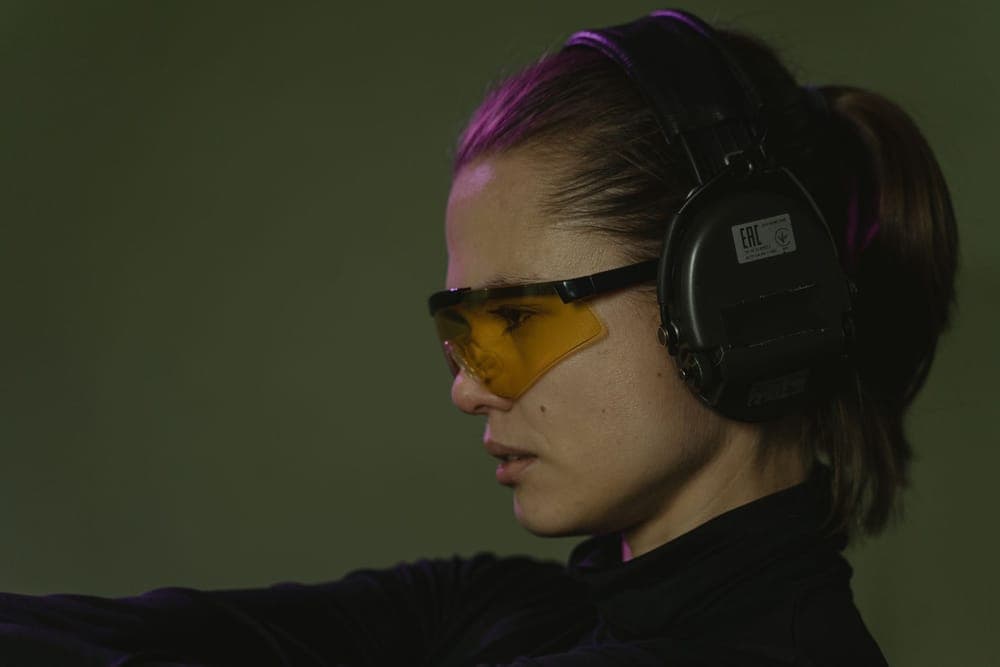
What to wear to a shooting range comes down to one thing most beginners have never thought about: the empty cartridge cases a gun throws out after every shot. Shooters call them brass. They come out hot, they fly in directions you can't predict, and sooner or later one lands on the person standing nearby. Dress for that, and you've dressed right for almost any range.
This list comes from dress codes and first-visit guides that real ranges publish. Every range sets its own rules, so treat these as examples, and check yours before you go.
Why ranges care what you wear: hot brass
Triangle Shooting Academy, an indoor range in North Carolina, says it plainly: its dress code "is in place for safety reasons," such as "preventing hot brass from making contact with your skin" (Triangle Shooting Academy dress code).
Gun makers warn about it too. Ruger's manual for one of its rimfire rifles says "Empty cartridge cases are hot and are normally ejected from the rifle to the right. They could cause injury to any person who is standing too closely alongside the shooter" ( Ruger American Rimfire manual). That's why you dress for the shooter next to you as well as for yourself.
NRA Women sums up the logic: "Your clothes will act like a barrier between the ejected hot brass and your skin" (NRA Women, The Dos and Don'ts of Gun Range Attire). Everything below follows from that sentence.
What to wear to a shooting range, head to toe
| Body area | Wear | Skip | Why (source) |
|---|---|---|---|
| Head | A brimmed cap or hat | Optional, but a bare head gets no protection | A hat protects your head and face from ejected cartridges (NRA Women) |
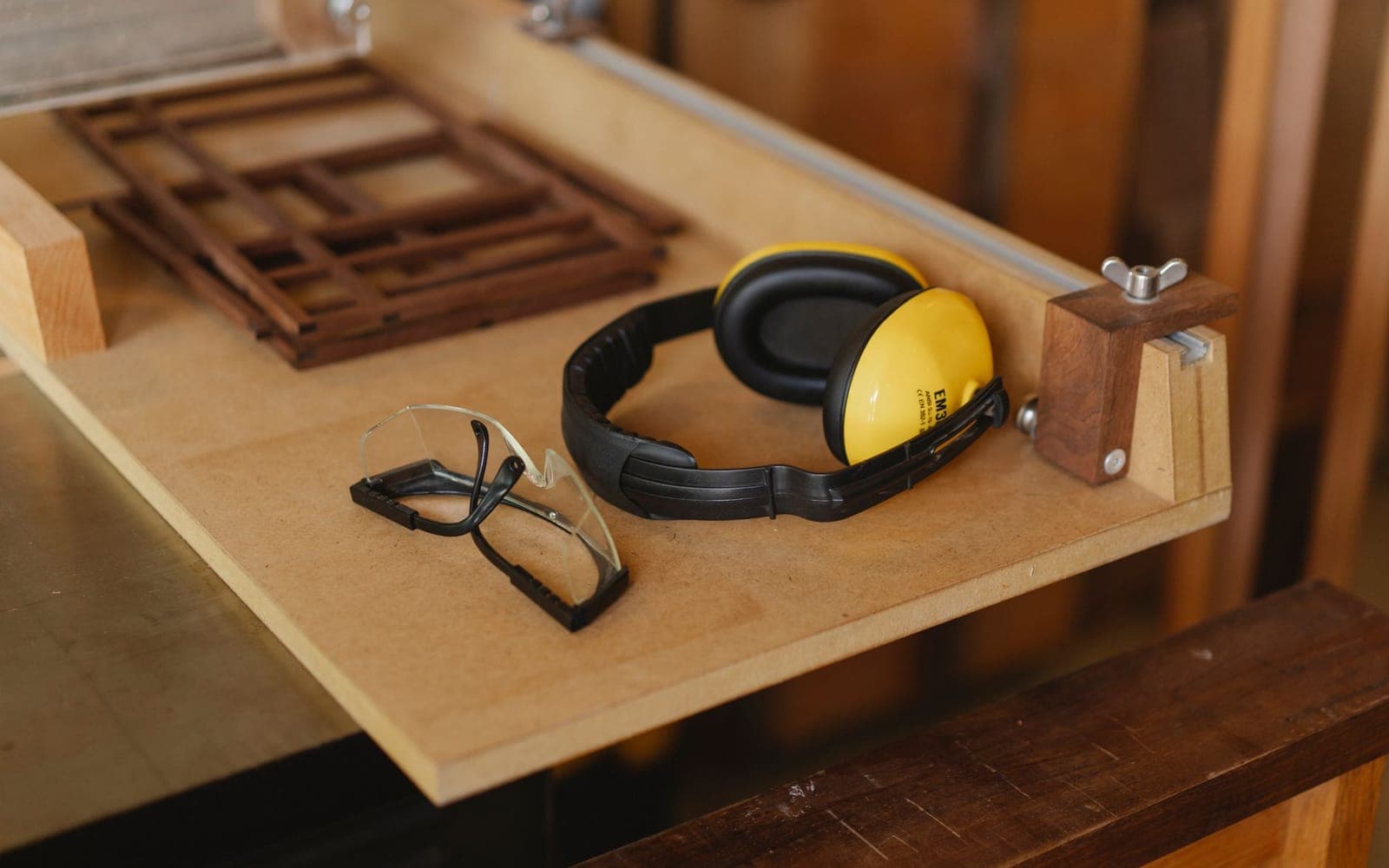
| Eyes and ears | Safety glasses and ear protection | Going without, even as a spectator | Worn "by shooters and spectators" (NRA) |
| Neck and chest | A crew-neck or collared shirt | Tank tops, low-cut, V-neck, see-through, cropped or spaghetti-strap tops | Keeps brass from falling into your shirt (The Range 702; Triangle; NRA Women) |
| Body | Close-fitting layers | Baggy clothing | Shoot Indoors suggests avoiding baggy clothing because of hot brass |
| Legs | Pants | Shorts, where the range asks you to | Shoot Indoors suggests avoiding shorts |
| Feet | Closed-toe shoes with solid traction | Sandals, flip-flops, ballet flats, high heels | Hot brass can burn exposed skin (The Range 702; Triangle; NRA Women) |
A shirt with a high neckline
This is the single most useful choice. The Range 702 in Las Vegas advises that "A crew-neck or collared shirt can reduce the odds of hot brass falling into your shirt," and warns that "Low-cut or loose-neck shirts should be avoided. It's not uncommon for casings to land inside clothing, which can startle you and disrupt your shooting stance" ( The Range 702, first-visit guide). A plain crew-neck T-shirt works. So does a button-up buttoned to the top.
If your favorite shirt still leaves skin showing at the collar, NRA Women offers a simple fix: "a scarf is an easy fix to protect it from hot brass."
Closed-toe shoes with grip
The Range 702: "Wear closed-toe shoes that provide solid traction." You'll stand for most of the visit, the floor may have brass rolling around on it, and you want stable footing while you hold a gun. Sneakers or boots are ideal. NRA Women's warning explains the rule: "hot brass from ejected cartridges LOVES to find feet!"
A brimmed cap
NRA Women: "DO wear a hat. Besides providing shade, a hat will protect your head and face from ejected cartridges." Shoot Indoors, a Pennsylvania indoor range, also suggests a hat because of hot brass (Shoot Indoors). A baseball cap does the job. Wear it with the brim forward, and check that your ear muffs still sit flat over your ears with the cap on.
What not to wear to a shooting range
The published dress codes agree on a short list of things to leave at home:
- Open-toed shoes. Triangle: "No open-toed shoes or high heels are permitted on the range." The Range 702: "Don't wear sandals, flip-flops, or open-toe footwear. Hot brass can bounce unpredictably and burn exposed skin." NRA Women adds ballet flats to the list.
- Low-cut and revealing tops. Triangle: "No tank tops, low-cut, see-through or cropped shirts are permitted on the range." NRA Women: "DON'T wear a tank top, low-cut V-neck or shirts with spaghetti straps."
- Baggy clothing. Shoot Indoors lists it among the things to avoid because of hot brass. Loose fabric gives brass more places to land.
- Anything you'd hate to get dirty. Range dust contains lead, and our page on lead exposure at the shooting range explains why range clothes get washed separately.
Can you wear shorts to a shooting range?
It depends on the range. Shoot Indoors says "Shirt, pants, and shoes are always required. Due to hot brass, we also suggest using a hat and avoiding open-toed shoes, low-cut shirts, shorts, and baggy clothing." Triangle's dress code, by contrast, lists shoes and shirts but doesn't mention shorts.
So shorts are allowed at some ranges and discouraged at others. Long pants are the safer choice for a first visit either way: they cost you nothing, and they keep hot brass off your legs. NRA Women's first rule covers it: "DO call the range or check its website to see if there is a dress code. Some ranges and shooting clubs have specific dress-code requirements, such as no open-toed shoes or only collared shirts."
If hot brass lands on you
Even with the right clothes, it happens eventually, and the instinct to swat at it is the dangerous part. The Range 702's advice: "If brass lands against your skin, don't panic. Keep the weapon pointed in a safe direction and carefully put it on the shooting platform."
Dressing for indoor vs outdoor ranges
The brass rules are the same everywhere. What changes is the weather and the light.
- Indoors, you're out of the weather, so a single crew-neck layer and pants usually work, with clear lenses on your glasses.
- Outdoors, dress in layers you can add or take off as the day changes, and keep a high-necked layer on top. A brimmed cap earns its place twice, for shade and for brass, and a tinted lens such as gray helps in bright sun.
Our comparison of indoor vs outdoor shooting ranges covers the other differences, and the shooting glasses lens color guide matches lens tints to light.
Eye and ear pro: the part of the outfit that isn't optional
The NRA's rule is "Wear eye and ear protection as appropriate," and its explanation covers everyone on the line: guns "can also emit debris and hot gasses that could cause eye injury. For these reasons, shooting glasses and hearing protection should be worn by shooters and spectators" ( NRA Gun Safety Rules). Ranges enforce it. Triangle, for example, requires eye protection inside the range and says "Ear muffs are required to be worn while inside the range. Ear plugs are not considered to be sufficient ear protection."
One note on prescription glasses: Triangle accepts them in place of safety glasses. That's that range's policy, not a safety standard, and everyday glasses aren't necessarily impact-rated. Our guide to wearing glasses at a shooting range explains the options.
What to look for
- Glasses marked Z87+. Z87+ is the high-impact mark on safety glasses; our explainer on Z87 vs Z87+ shows where to find it. Side coverage matters too: OSHA's workplace eye-protection rule calls for "eye protection that provides side protection when there is a hazard from flying objects" ( 29 CFR 1910.133).
- A lens tint for your range. Uvex's lens guide recommends clear lenses where "normal to low light conditions exist" and gray for "outdoor environments where sunlight and glare causes eyestrain and fatigue" ( Uvex tint brochure).
- Ear muffs with a published NRR (Noise Reduction Rating, the number on the package), and plugs underneath at indoor ranges. See what NRR you need for shooting.
- Glasses and muffs that work together. NIOSH researchers note that "Special care must be taken to ensure the earmuff remains sealed against the side of the wearer's head when safety glasses are worn" ( Murphy, Byrne and Franks, NIOSH, 2007). Put the glasses on first, then settle the muffs over the arms.
The two picks below are the first-pair picks from our rankings of the best shooting glasses and the best hearing protection for shooting. Pyramex states that the Intruder meets ANSI/ISEA Z87.1-2020 + High Impact and sells it in clear, gray, amber and other tints. Howard Leight lists the Impact Sport at NRR 22 with a slim earcup and a 4-hour auto shut-off.
Our picks for this
Eye and ear pro to finish the outfit
One pair of Z87+ glasses and one electronic muff with a published NRR. Buy these before anything else on the kit list.
- Stock photo

Best first pair of shooting glasses
Pyramex Intruder
Z87+6.9/10ResearchedZ87.1-2020 + High Impact per Pyramex, in clear for indoor ranges or gray for sunny outdoor days. An easy first pair.
Check price · Amazon#ad · Price set by Amazon · How we make money for the link to Pyramex Intruder
- Stock photo
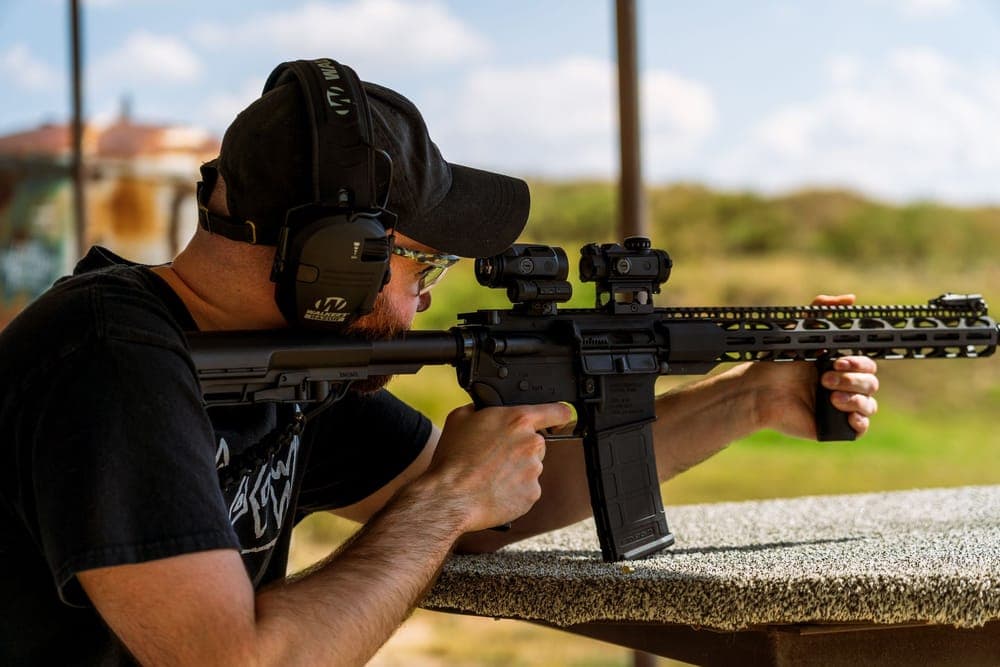
Best first electronic muff
Howard Leight Impact Sport
NRR 227.2/10ResearchedNRR 22 with a slim cup and a 4-hour auto shut-off, so a forgotten switch doesn't drain the batteries. Add foam plugs underneath indoors.
Check price · Amazon#ad · Price set by Amazon · How we make money for the link to Howard Leight Impact Sport
Want eyes and ears in one purchase? See the best ear and eye protection combos.
After the range: your range clothes
Range clothes come home with dust on them. NIOSH, in guidance written for indoor ranges, recommends that people who take range clothing home "should bag the clothes before leaving the range" and that it "should be washed separately from the family's clothing" ( NIOSH Alert 2009-136). NRA Women gives the same advice: "It is also a good idea to wash your range clothes separately from your other clothing."
That's one more reason to keep a simple range outfit: the same crew-neck shirt, pants and shoes each trip, with a bag in the car for the ride home. For the rest of what goes in the car, use our what to bring to the shooting range checklist, and if it's your first visit, read your first time at a shooting range.
How we scored this
Units we claim to have tested: none
Most gear sites say they tested thirty muffs. We haven't put these on a sound meter, and we say so. Every pick here is labeled Researched: we compiled each maker's published specs (the EPA-labeled NRR on hearing protection, the Z87+ mark on glasses), read the manuals, and scored everything on a public rubric. Every figure links to where it came from, and marketing claims are labeled “maker's claim.”
Scores are editorial judgments from that documented research, not test results. Commissions never set a score or decide a pick. The rubric and its weights are published.
Questions
Common questions
Can you wear shorts to a shooting range?
What should you not wear to a shooting range?
Can I wear a V-neck to the shooting range?
Should you wear a hat to a shooting range?
What shoes should you wear to a gun range?
Where this comes from
Sources
- Triangle Shooting Academy (Raleigh area, NC), Dress Code, accessed 2026-09-19
- The Range 702 (Las Vegas), First-Time Indoor Range Visit guide, accessed 2026-09-19
- Shoot Indoors (King of Prussia, PA), Pistol Range Etiquette: 4 Things To Know, accessed 2026-09-19
- NRA Women, The Dos and Don'ts of Gun Range Attire (Maureen P. Sangiorgio, Aug. 27, 2020), accessed 2026-09-19
- Ruger, Instruction Manual for Ruger American Rimfire (PM300), accessed 2026-09-19
- NRA, NRA Gun Safety Rules, accessed 2026-09-19
- NIOSH Alert 2009-136, Preventing Occupational Exposures to Lead and Noise at Indoor Firing Ranges, accessed 2026-09-19
- Murphy WJ, Byrne DC, Franks JR (NIOSH), Firearms and Hearing Protection, The Hearing Review 2007 (CDC Stacks), accessed 2026-09-19
- OSHA, 29 CFR 1910.133, Eye and face protection, accessed 2026-09-19
- Honeywell Uvex, Ultra-spec 2000 / SCT Filters and Tints brochure (PDF), accessed 2026-09-19
- Pyramex, Intruder product page, checked 2026-09-19
- Howard Leight Shooting Sports, Impact Sport Electronic Earmuff product page, checked 2026-09-19
We haven't tested the gear on this page and we don't pretend to. Specs come from each maker's own pages and data sheets (linked on every product); ratings like NRR and Z87+ are explained from the standards and agencies behind them. Prices are set by Amazon and change often, so we don't print them. Where a figure isn't published, we say so. Read the full method.