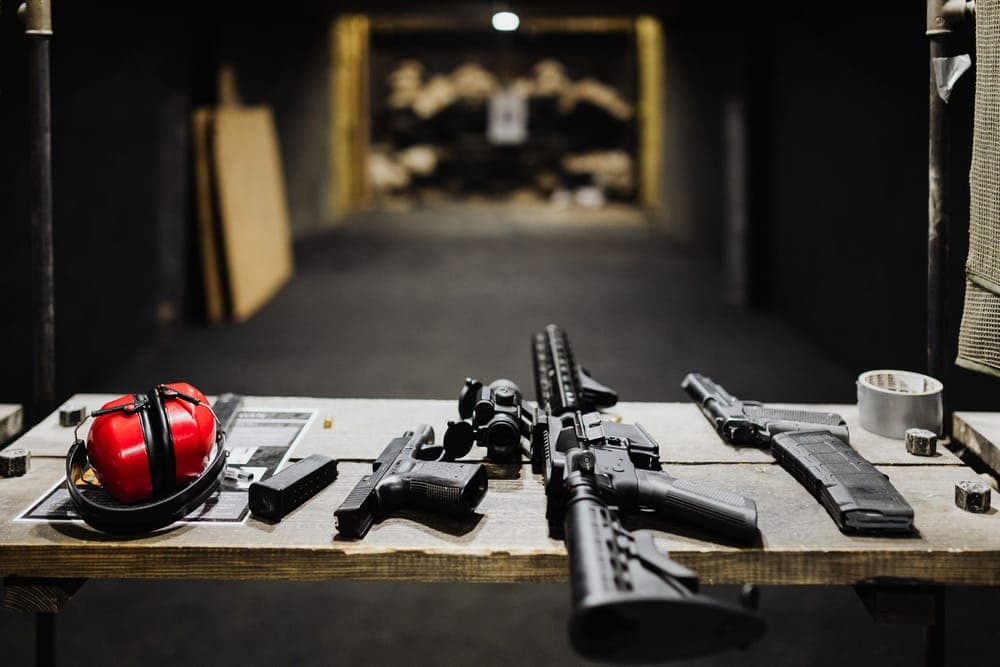
A range bag is just a bag that holds everything you need at the shooting bench, so nothing gets forgotten at home. The trouble for a new shooter is knowing what "everything" means. This checklist groups what to put in a range bag by what each item does, so you can pack it once, check it before every trip and restock what you used.
Two ground rules before the list. First, rules vary by range: some provide ear and eye protection, some sell targets, some won't allow certain gear at all. Call ahead or check the range's website. Second, the gun itself travels in a case, unloaded, and the law around that varies by state; our guide to how to transport a gun to the range covers it. If this is your very first visit, our what to bring to the shooting range checklist is the shorter version for day one.
The range bag checklist
Here's the whole list at a glance. The sections below explain each item and link to our picks.
Must-bring
- Ear protection: earmuffs, earplugs, or both (both at indoor ranges)
- Eye protection marked Z87+
- Targets, plus a stapler or target clips and a few pasters
- The correct ammunition for your firearm, in its box
- Photo ID, range membership card and any signed waiver
- Lead-removal wipes for your hands and face
Nice to have
- A magazine loader
- A small first-aid kit
- A brimmed cap (hot brass) and, outdoors, sunscreen and water
- A small pistol cleaning kit or bore snake
- A pen or marker to date your targets, and a small notebook
- A zip-top or plastic bag for range clothes and used targets
- Spare batteries for electronic earmuffs
Leave at home
- A loaded gun in the bag or case
- Food and drinks for the firing line
- Any target type your range doesn't allow (ask first)
Safety gear: ear and eye protection
This is the group you should never leave home without. The NRA's safety rules put it simply: "Guns are loud and the noise can cause hearing damage. They can also emit debris and hot gasses that could cause eye injury. For these reasons, shooting glasses and hearing protection should be worn by shooters and spectators" (NRA Gun Safety Rules).
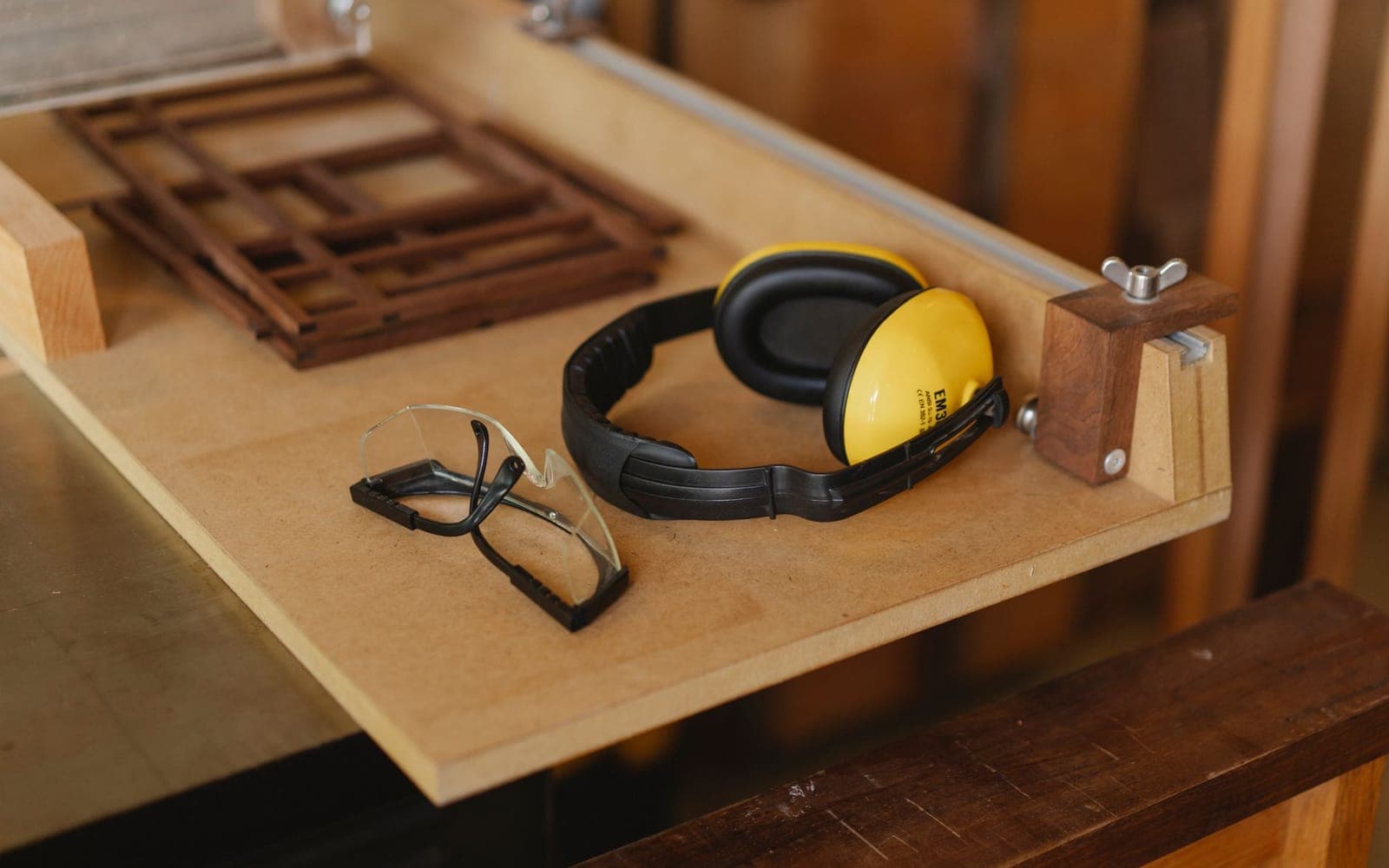
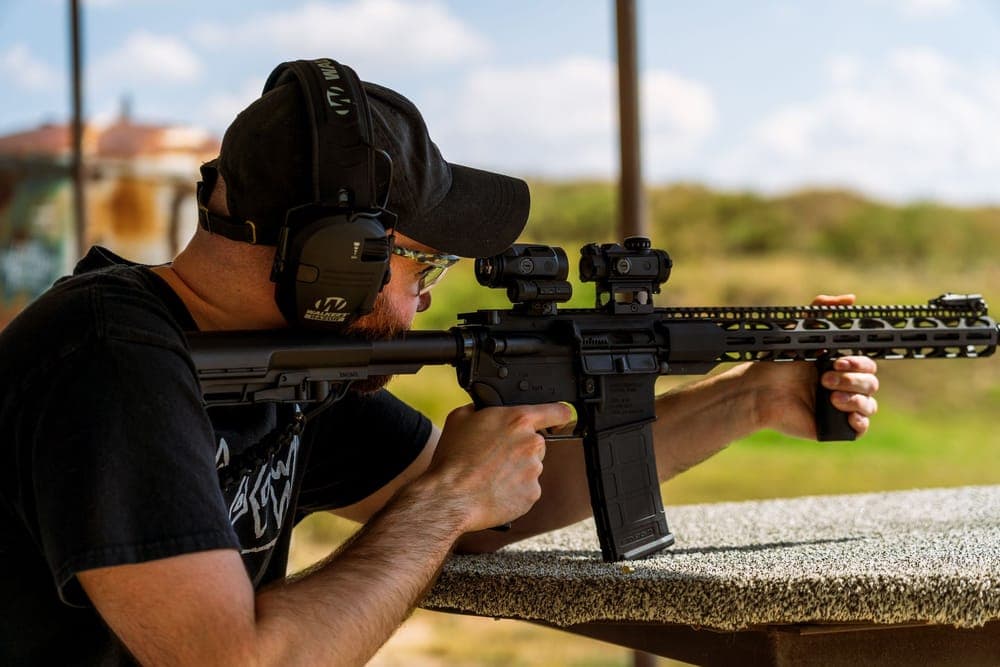
Ear pro (hearing protection). Look for the NRR (Noise Reduction Rating, the number on the package). Electronic earmuffs are the easiest first choice because they let you hear range commands and conversation while cutting the loud noises. The Howard Leight Impact Sport, for example, lists an NRR of 22 dB, runs on 2 AAA batteries and shuts itself off after 4 hours. Our best hearing protection for shooting compares muffs and plugs, and the best electronic ear muffs page goes deeper on electronic models. Add a few pairs of foam earplugs too; they weigh nothing and cover a forgotten muff or a friend who came without any (see our best earplugs for shooting).
Some ranges set their own rule. Triangle Shooting Academy in North Carolina, for example, says "Ear muffs are required to be worn while inside the range. Ear plugs are not considered to be sufficient ear protection" (Triangle Shooting Academy). That's one range's policy, which is exactly why a pair of muffs belongs in the bag even if you prefer plugs.
Eye pro (eye protection). Look for Z87+ (the high-impact mark on safety glasses). Safety eyewear maker HexArmor explains that "Z87+ means that the eyewear meets a higher impact standard and goes through a much tougher set of tests than Z87," and that you'll usually find the mark on the side arm of the frame (HexArmor). Our best shooting glasses only lists glasses marked Z87+. If you wear prescription glasses, see our shooting glasses for glasses wearers.
A brimmed cap. Spent cases fly out hot. NRA Women's advice on range clothing: "DO wear a hat. Besides providing shade, a hat will protect your head and face from ejected cartridges" (NRA Women). A cap that lives in the bag is one less thing to remember. Our guide to what to wear to a shooting range covers the rest of the outfit.
Shooting supplies: targets, stapler, pasters, loader
Targets. Some ranges sell targets at the counter and some don't provide any. Connecticut's public range in Glastonbury, for one, states that "Ammunition, firearms, eye and ear protection, and targets are not provided" (CT DEEP). Bring your own so you're never stuck. For a beginner, a target that shows your hits from the bench makes each session more useful. Birchwood Casey's Shoot-N-C 12 x 18 Handgun Trainer comes 5 targets and 110 pasters to a pack, and Birchwood Casey says each hole shows "crisp, chartreuse rings." See our best shooting targets for paper and reactive options.
A stapler or clips. Some indoor lanes hang targets on a clip carrier; outdoors you may be stapling paper to a cardboard backer on a stand. Champion sells a compact steel staple gun made to "keep your paper targets securely in place"; it takes JT21 staples, so pack a box of refills. Our first range kit includes a stapler pick, and our best target stands covers what you staple to.
Pasters. Small stickers that cover bullet holes so you can shoot the same target again. Birchwood Casey's Shoot-N-C 1 inch repair pasters come 432 to a pack and are self-adhesive. Several target packs include their own; our best reactive targets lists which.
A magazine loader. Pushing rounds into a pistol magazine by thumb gets hard on the hands fast, especially the last few rounds of a full magazine. A loader does the pushing. Maglula says its UpLULA loads and unloads "virtually all 9mm Luger up to .45ACP single and double-stack magazines of all manufacturers." Our beginner gear roundup includes a loader pick.
Ammunition. We don't recommend ammunition, but the rule for packing it is simple. The NRA's rules say: "Use only the correct ammunition for your gun" (NRA). Check your owner's manual and the markings on your firearm, keep ammunition in its box, and keep that box in a different compartment from the gun. Ask your range whether it restricts any ammunition types.
A marker and a notebook. Write the date and distance on each target before you hang it. It's the easiest way to see your progress over the first few months.
Tools and a small cleaning kit
You don't need a workshop in your range bag. A small pistol cleaning kit or a bore snake is enough, and most of the cleaning happens at home after the trip. Ruger's manual for the LCP MAX says "It is important to clean and inspect your firearm after each range session or whenever the pistol has been exposed to sand, dust, moisture, humidity, or other adverse conditions" (Ruger). Your own manual is the one to follow, since makers differ on the details.
A compact kit that lives in the bag means it's there when you need it. Real Avid's Gun Boss Pro Handgun kit, for example, covers .22 to .45 in an 8 1/4 x 4 1/2 x 1 1/4 in case, though you'll need to add your own solvent and oil. Our best pistol cleaning kits compares compact options, and our gun cleaning supplies list covers the full home kit.
First aid
A small personal first-aid kit belongs in any bag you carry to an outdoor activity, and the range is no different: staples, target frames and car doors all find fingers. Keep it in an outside pocket so you don't have to dig for it.
Beyond that, know how your range handles an emergency. On the line, anyone can stop the shooting. Mississippi's wildlife department puts it plainly in its range rules: "The command 'CEASE FIRE' will be observed IMMEDIATELY, no matter who says it! Anyone may call a cease fire" (MDWFP). Shoot Indoors notes that a cease-fire can be called for "a medical issue" among other reasons (Shoot Indoors). Ask the staff on your first visit where their first-aid kit is kept.
Hot brass can surprise a new shooter, and the safe response starts with the gun, not the burn. The Range 702 in Las Vegas advises: "If brass lands against your skin, don't panic. Keep the weapon pointed in a safe direction and carefully put it on the shooting platform" (The Range 702). Deal with the brass after the gun is down.
Hygiene: lead wipes and a bag for range clothes
This is the group beginners tend to skip, and it matters for everyone you go home to. North Carolina's public health department notes that "Most ammunition contains lead" and that "Lead dust that settles on the hair, skin, clothing or shoes can accidentally be brought home and expose children and other family members" (NC DHHS).
- Lead-removal wipes. NIOSH's guidance for firing ranges says hands "should be washed with soap and water or cleaned with lead decontamination wipes after shooting, handling spent cartridge cases, or cleaning weapons," and adds that "washing hands with soap and water is not completely effective in removing lead" (NIOSH). That guidance was written for range workers, but it's a sensible habit for anyone. ESCA Tech's D-Wipe Towels are pre-moistened towels the maker says remove metal dust from "hands, arms, face and body."
- A bag for range clothes. NIOSH also says that people who take range clothing home "should bag the clothes before leaving the range" and wash them separately. A spare plastic bag in the bottom of your range bag handles that.
- A second bag for targets and brass. Champion warns that "Targets and target stands will accumulate lead residue when shot. Always wash your hands with soap and water after handling targets, target stands, and before eating or drinking" (Champion).
Our guide to lead exposure at the range covers the full routine, including shoes and the drive home.
Paperwork: ID, membership card and waiver
Every range has its own check-in, so keep the paperwork in a zippered pocket of the bag and it'll always be there. Examples from ranges we looked at:
- Photo ID. The Range 702 says "You'll be required to present a government-issued ID, such as a driver's license or passport" (The Range 702).
- A waiver. Shoot Indoors suggests you "bring a signed waiver or complete the waiver online prior to visiting a new range for the first time" (Shoot Indoors).
- Proof of training. Some public ranges ask for it. Connecticut's Glastonbury range requires shooters to "show proof of firearms training, such as a Conservation/Education Firearms Safety certificate or equivalent, valid firearms hunting license, valid pistol permit, police credentials, or military identification" (CT DEEP).
- Your membership card, if your range has members, and any range rules sheet they gave you.
On a first visit, NSSF's advice is to "ask the range manager, safety officer or counter staff to go over the range rules and fees" (NSSF Let's Go Shooting). Our guide to your first time at a shooting range walks through check-in.
Indoor vs outdoor: what changes
The core list stays the same. A few items change with the range:
- Indoors, pack for double ear protection. NIOSH's alert on indoor firing ranges says "All workers and shooters should be required to use dual hearing protection devices (earmuffs and earplugs) when the range is in use" (NIOSH). Foam plugs under your muffs covers it; see double hearing protection.
- Outdoors, pack for the stand and the weather. A stapler, a backer and possibly a stand, plus tinted Z87+ glasses for bright sun, a cap, sunscreen and water. Keep drinks away from the firing line and wipe your hands before you drink.
- At public ranges, pack everything. As the Glastonbury example shows, some public ranges provide nothing, not even eye and ear protection.
Our indoor vs outdoor shooting range comparison covers the other differences.
What to leave at home
- A loaded gun in the bag or case. NSSF's safety rules say "There is never any excuse to carry a loaded gun in a scabbard, a holster not being worn or a gun case" (NSSF).
- Food and drinks for the firing line. Florida's FWC range rules say "Food, beverages and smoking are not allowed on the firing line" (FWC). Eat away from the line, after you've washed up.
- Alcohol. The NRA's rules: "Never use alcohol, over-the-counter drugs or prescription drugs before or while shooting."
- Anything your range doesn't allow. Ask before you bring steel or any target that isn't paper.
What to look for when you buy
If you're filling the bag from scratch, these are the details that separate a useful item from clutter:
- Ear protection with a published NRR. Every muff and plug we list carries one. The number is a lab rating, so fit matters as much as the figure; our guide to what NRR you need explains it.
- Glasses marked Z87+ on the frame, not just described as "shooting glasses."
- Targets that show hits from where you stand, at a size you can see at your range's distances.
- A magazine loader that lists your caliber and magazine, since makers name what they fit.
- Wipes made for skin, not household cleaning wipes.
- A bag with room to spare. If you're still choosing one, our best range bags lists capacity and internal dimensions for each.
Our picks for this
Four range bag essentials to start with
One pick from four of the groups above, chosen from published specs: an electronic earmuff with an NRR on the label, a target that shows your hits, a loader that fits most pistol magazines and wipes made for skin. We don't test gear; see how we pick.
- Stock photo
Best first electronic muff
Howard Leight Impact Sport
NRR 227.2/10ResearchedNRR 22 with sound amplification so you can hear range commands, and a 4-hour auto shut-off so a muff left on in the bag doesn't drain its 2 AAAs.
Check price · Amazon#ad · Price set by Amazon · How we make money for the link to Howard Leight Impact Sport
- Stock photo
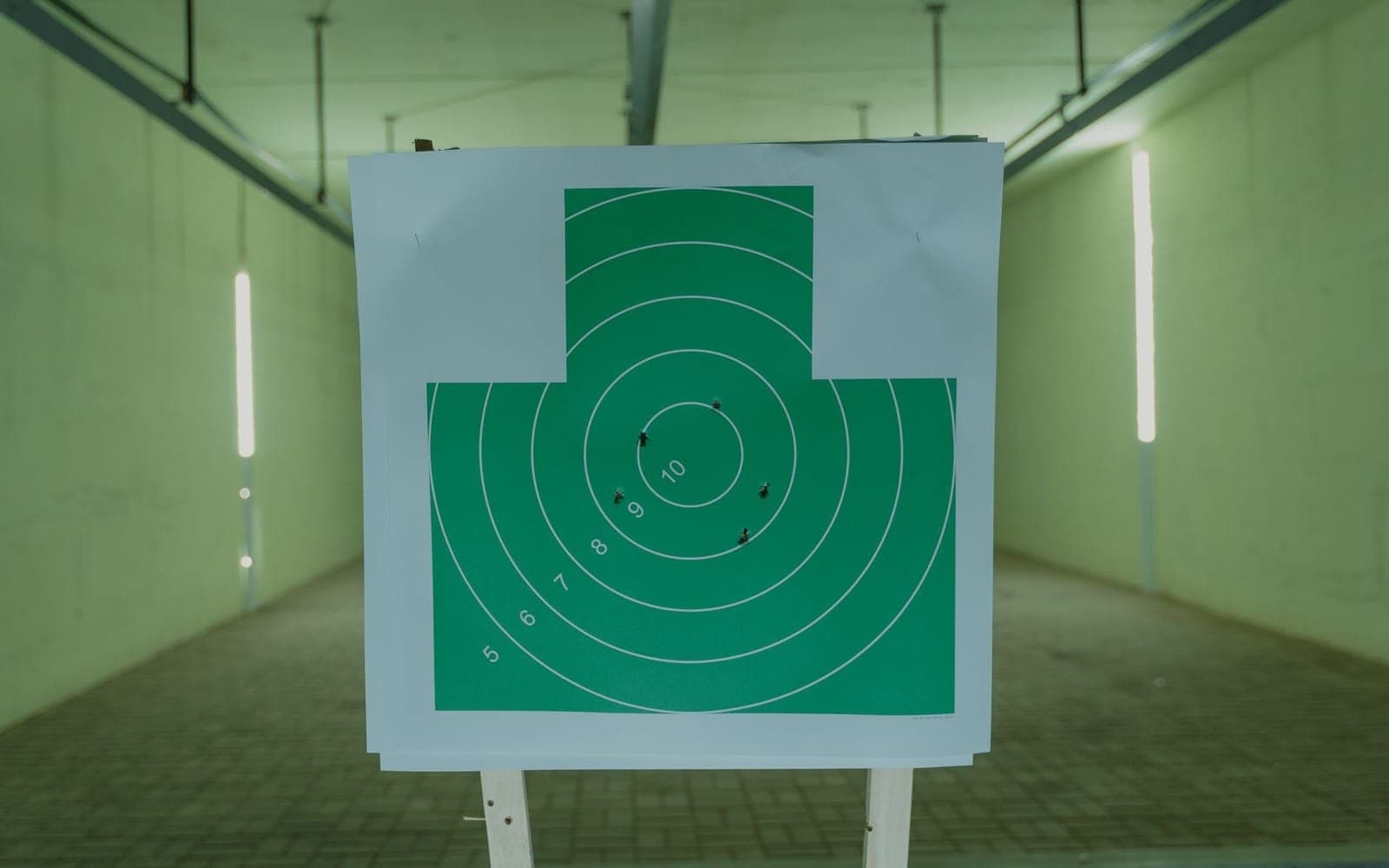
Best first reactive target
Birchwood Casey Shoot-N-C 12 x 18 Handgun Trainer
7.9/10ResearchedHits show as chartreuse rings (per Birchwood Casey), and 110 pasters in the box let you patch and reuse each of the 5 sheets.
Check price · Amazon#ad · Price set by Amazon · How we make money for the link to Birchwood Casey Shoot-N-C 12 x 18 Handgun Trainer
- Stock photo

Best universal pistol mag loader
Maglula UpLULA Pistol Magazine Loader
8.3/10ResearchedOne loader Maglula says fits virtually all 9mm to .45 ACP pistol magazines, so it stays useful if you add a second pistol.
Check price · Amazon#ad · Price set by Amazon · How we make money for the link to Maglula UpLULA Pistol Magazine Loader
- Stock photo
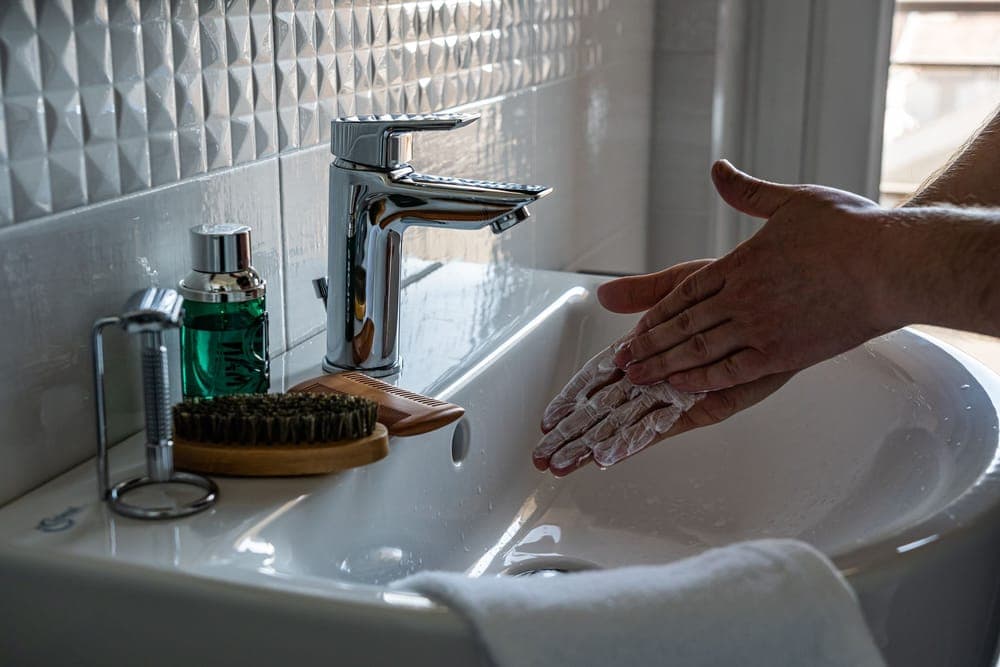
Best wipes for hands after the range
ESCA Tech D-Wipe Towels
7.9/10ResearchedPre-moistened towels ESCA says remove metal dust from hands, arms, face and body, for when there's no sink nearby.
Check price · Amazon#ad · Price set by Amazon · How we make money for the link to ESCA Tech D-Wipe Towels
Packing it so it works
A checklist only helps if you can find things at the bench. Put ear and eye protection where you can reach them before you walk through the range door, keep paperwork in one zippered pocket, and keep ammunition in its own compartment away from the gun. After each trip, restock what you used: staples, pasters, wipes, batteries. Our guide on how to organize a range bag shows a layout that works for indoor, outdoor and family trips, and our hard vs soft pistol case comparison helps you choose what the gun rides in.
How we scored this
Units we claim to have tested: none
Most gear sites say they tested thirty muffs. We haven't put these on a sound meter, and we say so. Every pick here is labeled Researched: we compiled each maker's published specs (the EPA-labeled NRR on hearing protection, the Z87+ mark on glasses), read the manuals, and scored everything on a public rubric. Every figure links to where it came from, and marketing claims are labeled “maker's claim.”
Scores are editorial judgments from that documented research, not test results. Commissions never set a score or decide a pick. The rubric and its weights are published.
What changed
- Published.
Questions
Common questions
What goes in a range bag?
What should a beginner pack for a first range trip?
Should I keep ammo in my range bag?
Can I bring my own targets to a shooting range?
Do I need lead wipes in my range bag?
Where this comes from
Sources
- NRA, NRA Gun Safety Rules, accessed 2026-09-19
- NSSF, Firearm Safety: 10 Rules of Safe Gun Handling, accessed 2026-09-19
- NSSF Let's Go Shooting, New Shooters, accessed 2026-09-19
- The Range 702 (Las Vegas, NV), First-Time Indoor Range Visit guide, accessed 2026-09-19
- Triangle Shooting Academy (NC), Dress Code, accessed 2026-09-19
- Shoot Indoors (King of Prussia, PA), Pistol Range Etiquette: 4 Things To Know, accessed 2026-09-19
- Connecticut DEEP, Glastonbury Shooting Range, accessed 2026-09-19
- Mississippi MDWFP, Shooting Facility Rules & Regulations, accessed 2026-09-19
- Florida FWC, Range Safety Rules, accessed 2026-09-19
- NRA Women, The Dos and Don'ts of Gun Range Attire (Aug. 27, 2020), accessed 2026-09-19
- NIOSH Alert 2009-136, Preventing Occupational Exposures to Lead and Noise at Indoor Firing Ranges (PDF), accessed 2026-09-19
- NC DHHS, Preventing Lead Exposure at Indoor Shooting Ranges (fact sheet, CDC Stacks PDF), accessed 2026-09-19
- Champion (Primos), Steel Target Warnings, accessed 2026-09-19
- HexArmor, Safety eyewear: What do lens markings and ANSI Z87+ mean?, accessed 2026-09-19
- Ruger, LCP MAX instruction manual (PDF), accessed 2026-09-19
- Howard Leight Shooting Sports, Impact Sport product page, checked 2026-09-19
- Birchwood Casey, Shoot-N-C 12 x 18 Handgun Trainer product page, checked 2026-09-19
- Birchwood Casey, Shoot-N-C 1 Inch Repair Pasters product page, checked 2026-09-19
- Champion (Primos), Staple Gun product page, checked 2026-09-19
- Maglula, UpLULA product page, checked 2026-09-19
- Real Avid, Gun Boss Pro Handgun Cleaning Kit product page, checked 2026-09-19
- ESCA Tech, D-Wipe Towels product page, checked 2026-09-19
We haven't tested the gear on this page and we don't pretend to. Specs come from each maker's own pages and data sheets (linked on every product); ratings like NRR and Z87+ are explained from the standards and agencies behind them. Prices are set by Amazon and change often, so we don't print them. Where a figure isn't published, we say so. Read the full method.