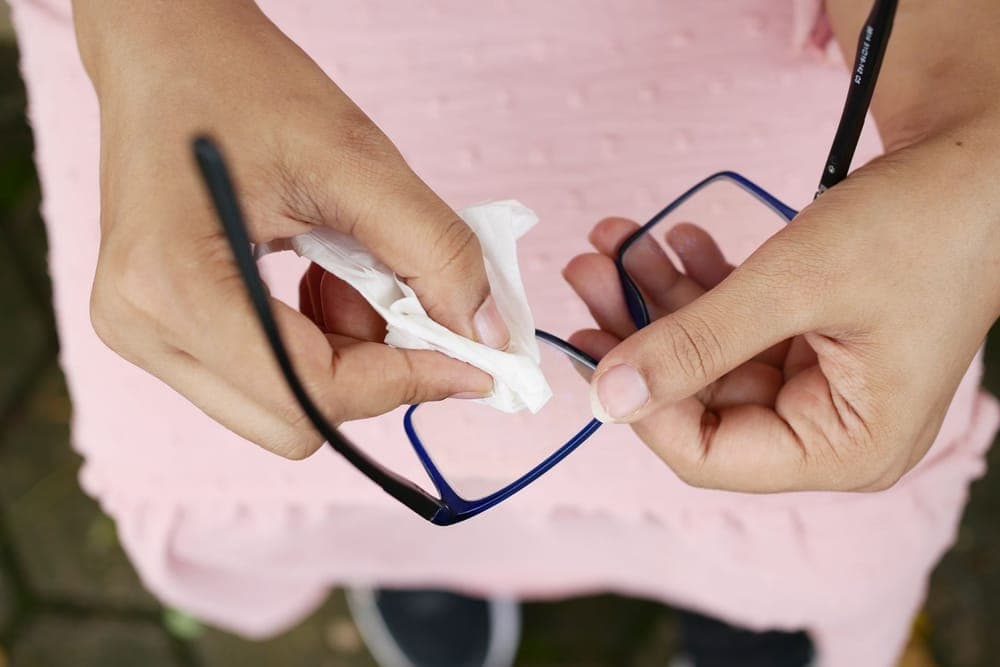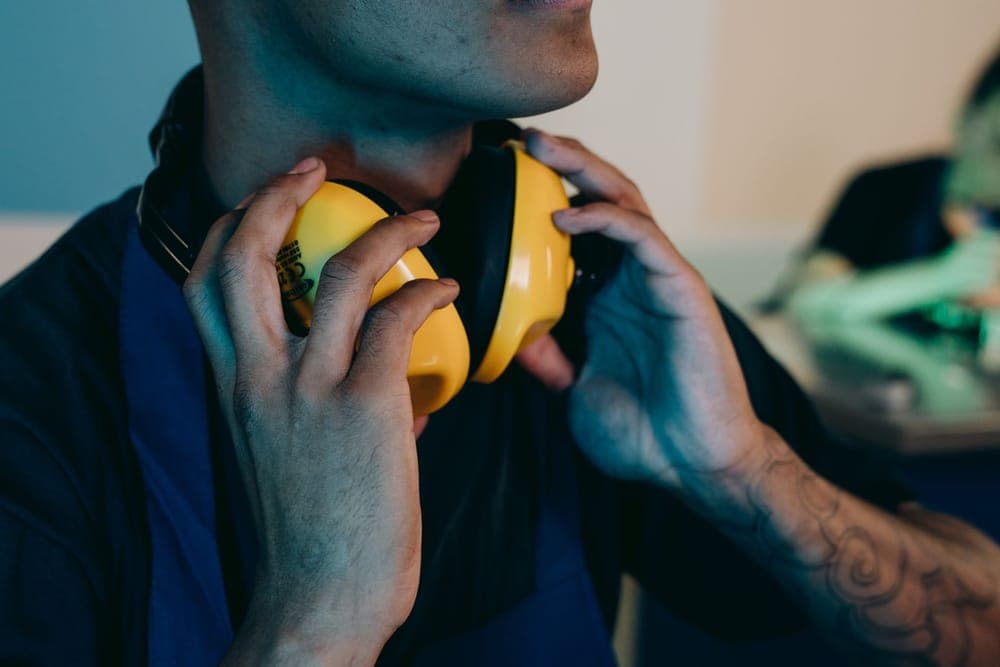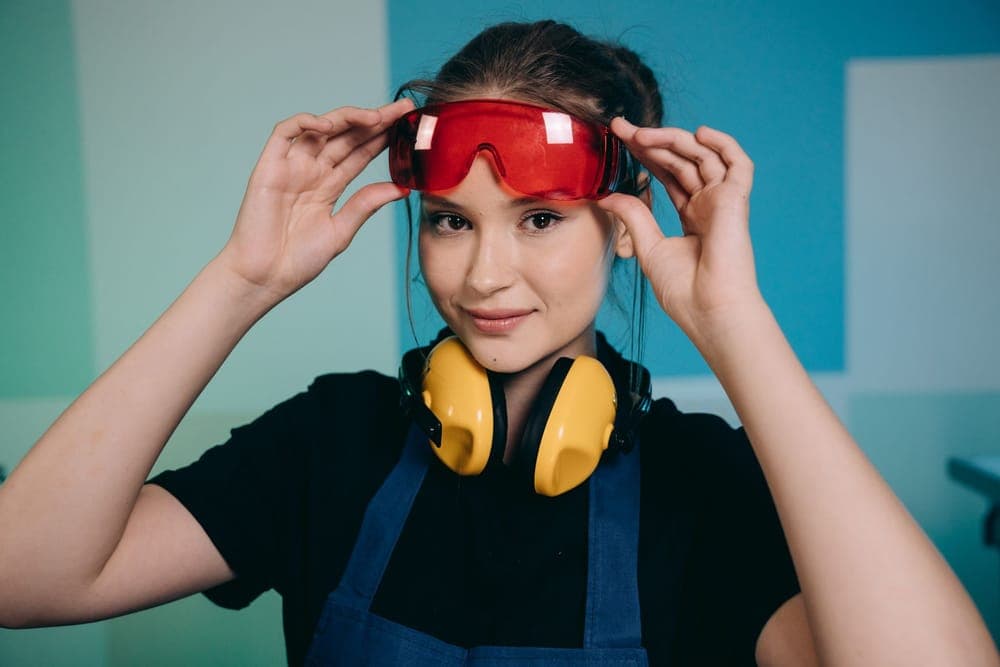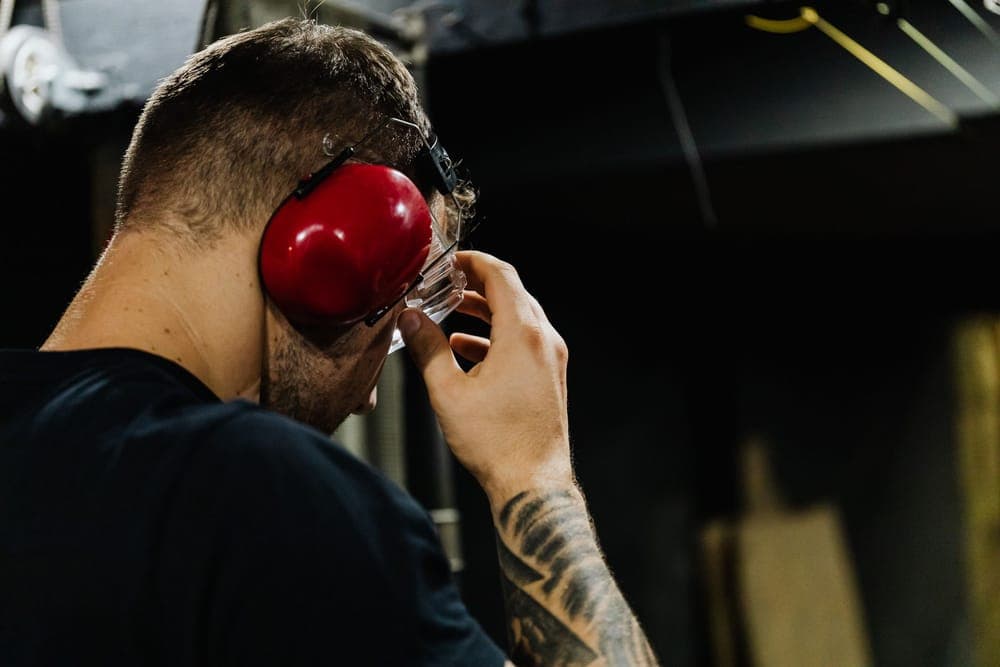
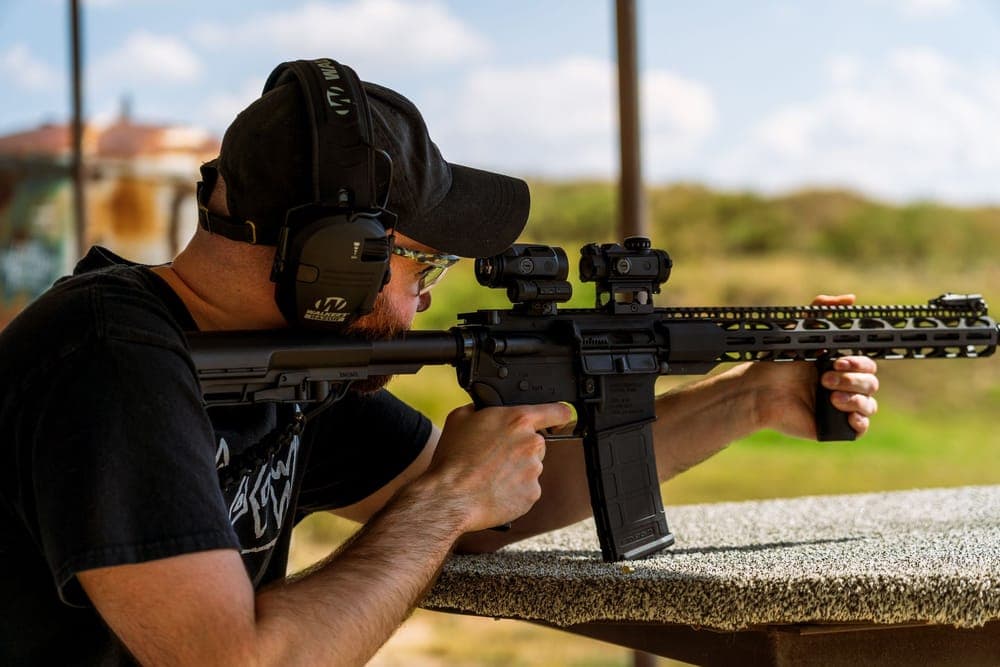
This isn't only a problem for people who wear prescription glasses. At the range, everyone wears eye protection, so everyone wearing ear muffs has two temples running under the cushions. The good news is that the fix is simple once you know what's happening, and the published guidance from 3M and NIOSH (the federal workplace-safety research agency) is clear about what to do.
Why glasses break the muff seal
An ear muff protects you by sealing a cushion all the way around your ear. 3M's fitting instructions put it this way: "Position the earcups over your ears so the cushions fully enclose the ears and seal tightly against the head" ( 3M PELTOR X Series data sheet). A glasses temple running under that cushion props it away from your head along a small strip, and sound gets in through the gap.
The makers and researchers say so directly:
- 3M: "The noise reduction may be lower when eyeglasses, goggles or respirator straps are worn between the sealing surface of the earmuff cushions and the sides of the wearer's head."
- NIOSH: "NIOSH research has shown that wearing earmuffs on top of safety glasses created a leakage in the seal of the earmuff cushions with the ear and reduced the effectiveness and peak noise level reduction of the earmuffs" (NIOSH Publication 2009-136).
- NIOSH researchers, writing for shooters: "Special care must be taken to ensure the earmuff remains sealed against the side of the wearer's head when safety glasses are worn" ( Murphy, Byrne and Franks, 2007).
The EPA's label rule makes the general point for every hearing protector: "Improper fit of this device will reduce its effectiveness in attenuating noise" ( 40 CFR 211.204-4). A temple under the cushion is one of the most common ways a muff ends up improperly fitted without you noticing.
How much protection you lose
NIOSH put numbers on it. Evaluating hearing protectors on a test head during live-fire measurements with law-enforcement firearms, it reported: "Earmuffs with safety glasses had a peak reduction of 18dB. The mean peak reduction for earmuffs was 26dB, while earplugs alone provided a mean peak reduction of 24dB. The mean peak reduction for the combined earmuff and earplugs was 44dB" (NIOSH 2009-136).
| What NIOSH measured | Peak reduction |
|---|---|
| Earmuffs alone (mean) | 26 dB |
| Earmuffs worn with safety glasses | 18 dB |
| Earplugs alone (mean) | 24 dB |
| Earmuffs and earplugs together (mean) | 44 dB |
Those figures are for the products NIOSH measured, not for any muff we recommend. But the pattern is the useful part. Glasses cut the muffs' result by 8 dB in that test, enough to drop them below plugs alone. And the combination of plugs and muffs was far ahead of either. That's the logic behind every fix below.
The fixes, in order
- Choose glasses with thin, flat temples or a strap. 3M: "For best noise reduction, select eyeglasses or goggles that have thin, flat temples or straps which will minimize interference with the seal of the earmuff cushions." NIOSH suggests shooters "use glasses with a strap or low profile stem." Whatever you choose, it must still be proper eye protection: look for the Z87+ mark (the high-impact mark on safety glasses). Our best shooting glasses are all Z87+.
- Seat the muffs carefully over the temples. Follow the muff's fitting instructions. For 3M's X Series that means the cushions "fully enclose the ears," each cup adjusted until you get "a tight and comfortable fit that exerts even pressure around the ears," and a headband that sits straight.
- Clear everything else out of the seal. 3M also says to "pull long hair back to the extent possible and remove other items that may degrade the earmuff seal such as pencils, hats, jewelry or earbuds."
- Wear foam earplugs underneath. Plugs sit in your ear canal, so no temple can get under them. If the muff seal leaks a little, the plug is still doing its job. This is also the double protection NIOSH recommends at indoor ranges.
- Know NIOSH's other options. NIOSH also lists wearing the safety glasses "over the top of the earmuff cushions," and says that "ideally, the safety glasses should be an integral part of the earmuff or other head protection devices." If you try glasses over the cushions, make sure they still sit securely and cover your eyes properly.
Slim cups: what they fix and what they don't
You'll see "slim" and "low-profile" on a lot of shooting muffs. Makers describe those cups for rifle and shotgun stocks, not glasses. Howard Leight says the Impact Sport's "slim earcup design" ensures "your firearm stock has clearance while shooting," and Walker's describes the Razor Slim Passive as having "ultra low profile ear cups with rubberized coating."
None of the makers we cite claims that a slim cup seals better over glasses temples. The seal happens where the cushion meets your head, and that's decided by your glasses and your fit, not the outside shape of the cup. So pick a slim cup if you shoulder long guns, which most range-goers eventually do, and fix the glasses side with thin temples and plugs.
Earplugs: the layer glasses can't break
If you only remember one thing from this page, make it this: foam plugs under your muffs make the glasses problem much less important. In NIOSH's measurements, plugs alone (24 dB mean) out-performed muffs worn with safety glasses (18 dB), and plugs plus muffs averaged 44 dB. The highest-rated plug we cover, the Howard Leight MAX-1, is NRR 33 (Noise Reduction Rating, the number on the package).
Plugs have their own fit to get right: insert them the way the package instructions show, deeply. Our earplugs vs earmuffs comparison covers the trade-offs, and our double hearing protection guide walks through wearing both.
If you wear prescription glasses
Regular prescription glasses usually aren't marked as safety eyewear, so you'll either wear safety glasses over them (OTG, over-the-glasses frames) or use prescription safety eyewear. For reference, the federal workplace rule asks for eye protection that "incorporates the prescription in its design, or... can be worn over the prescription lenses without disturbing the proper position of the prescription lenses or the protective lenses" ( OSHA 29 CFR 1910.133). That's an employer rule, not a law for hobby shooters, but it describes the two options well. Range rules on eyewear vary, so check yours.
With OTG frames there are two sets of temples near the cushion, which makes the plug-underneath habit even more worthwhile. Our guides to the best shooting glasses for glasses wearers and whether you can wear your own glasses at a range cover the eye side. Start at our eye protection hub if you're buying both at once, or see our ear and eye protection combos.
What to look for
- Glasses: marked Z87+, with thin, flat temples or a strap option, per 3M's and NIOSH's advice.
- Muffs: a published NRR you're happy with even after a small loss at the temples, a slim cup if you shoot rifles or shotguns, and electronics if you want to hear range commands.
- Plugs: a foam plug with a high NRR, worn underneath whenever you can, and always indoors.
Our picks for this
A glasses-friendly ear and eye setup
Two slim-cup muffs, a high-NRR foam plug to wear underneath, and a Z87+ goggle that swaps its temples for a strap, the option 3M and NIOSH both mention.
- Stock photo
Best first electronic muff
Howard Leight Impact Sport
NRR 227.2/10ResearchedElectronic, NRR 22, with a slim earcup Howard Leight says clears a rifle stock. Wear it over foam plugs so the glasses seal matters less.
Check price · Amazon#ad · Price set by Amazon · How we make money for the link to Howard Leight Impact Sport
- Stock photo

Best all-round passive muff
Walker's Razor Slim Passive
NRR 277.5/10ResearchedPassive, NRR 27, with ultra low profile cups and a folding design. The higher rating gives you more margin if the temples cost you some seal.
Check price · Amazon#ad · Price set by Amazon · How we make money for the link to Walker's Razor Slim Passive
- Stock photo

Highest-NRR earplug
Howard Leight MAX-1
NRR 337.1/10ResearchedNRR 33 foam plugs, the layer glasses can't break. In NIOSH's measurements, plugs alone beat muffs worn with glasses.
Check price · Amazon#ad · Price set by Amazon · How we make money for the link to Howard Leight MAX-1
- Stock photo

Best goggle-style option
Pyramex I-Force
Z87+6.7/10ResearchedZ87.1-2020 + High Impact, per Pyramex, with quick-release interchangeable temples and strap. The strap is the option 3M and NIOSH mention.
Check price · Amazon#ad · Price set by Amazon · How we make money for the link to Pyramex I-Force
Pyramex's I-Force page doesn't say whether it fits over prescription glasses, so prescription wearers should look at the OTG frames in our glasses-wearers roundup instead. For more muffs and plugs, see best hearing protection for shooting.
How we scored this
Units we claim to have tested: none
Most gear sites say they tested thirty muffs. We haven't put these on a sound meter, and we say so. Every pick here is labeled Researched: we compiled each maker's published specs (the EPA-labeled NRR on hearing protection, the Z87+ mark on glasses), read the manuals, and scored everything on a public rubric. Every figure links to where it came from, and marketing claims are labeled “maker's claim.”
Scores are editorial judgments from that documented research, not test results. Commissions never set a score or decide a pick. The rubric and its weights are published.
Questions
Common questions
Can you wear ear muffs with glasses?
Do glasses reduce the NRR of ear muffs?
What is the best ear protection to wear with glasses?
Should shooting glasses go under or over ear muffs?
Do slim or low-profile ear muffs work better with glasses?
Where this comes from
Sources
- 3M, PELTOR X Series passive earmuff technical data sheet (PDF), accessed 2026-09-19
- NIOSH, Preventing Occupational Exposures to Lead and Noise at Indoor Firing Ranges (Pub. 2009-136), accessed 2026-09-19
- Murphy WJ, Byrne DC, Franks JR (NIOSH), Firearms and Hearing Protection, The Hearing Review, March 2007 (CDC Stacks), accessed 2026-09-19
- US EPA, 40 CFR Part 211 Subpart B, Hearing Protective Devices (eCFR), accessed 2026-09-19
- OSHA, 29 CFR 1910.133, Eye and face protection, accessed 2026-09-19
- Howard Leight Shooting Sports, Impact Sport Electronic Earmuff product page, accessed 2026-09-19
- Walker's, Razor Slim Passive Ear Muff product page, accessed 2026-09-19
- HoneywellStore.com (licensed Honeywell store), Howard Leight MAX-1 disposable foam earplugs listing, accessed 2026-09-19
- Pyramex, I-Force product page, accessed 2026-09-19
We haven't tested the gear on this page and we don't pretend to. Specs come from each maker's own pages and data sheets (linked on every product); ratings like NRR and Z87+ are explained from the standards and agencies behind them. Prices are set by Amazon and change often, so we don't print them. Where a figure isn't published, we say so. Read the full method.